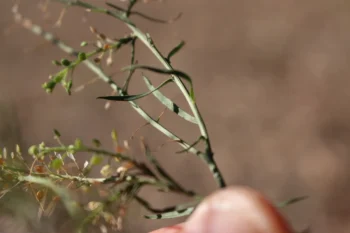
African Pepperwort: A Lesser-Known Garden Visitor
Meet African pepperwort (Lepidium africanum), a somewhat mysterious member of the mustard family that has quietly made its way into a few corners of American gardens. While you might not find this little forb at your local nursery, it’s worth understanding what makes this plant tick – especially if you happen to encounter it in the wild.
What Exactly Is African Pepperwort?
African pepperwort is what botanists call a forb – basically a fancy way of saying it’s an herbaceous plant without any woody stems above ground. Think of it as the plant world’s equivalent of that friend who travels light but still manages to show up everywhere. This annual-to-perennial plant keeps things simple with soft, green growth that dies back each season, only to potentially return when conditions are right.
Where You’ll Find It
Originally hailing from Africa (hence the name), this plant has established itself as a non-native resident in Hawaii and South Carolina. It’s one of those adaptable species that figured out how to reproduce and persist without any help from gardeners – which can be both impressive and concerning, depending on your perspective.
- Species observed
- No observations
The Garden Reality Check
Here’s where things get interesting (and a bit complicated). African pepperwort falls into that gray area of non-native plants where we don’t have enough information about its potential invasiveness or ecological impact. While it’s not currently flagged as a problematic invader, its ability to establish and spread naturally gives us reason to pause.
Should You Plant It?
The honest answer? Probably not. Here’s why:
- Limited information about its garden performance and care requirements
- Uncertain ecological impacts as a non-native species
- Plenty of well-documented native alternatives available
- Lack of known wildlife or pollinator benefits
Better Native Alternatives
Instead of taking a chance on African pepperwort, consider these native options that offer similar herbaceous charm with proven garden performance:
- Wild bergamot (Monarda fistulosa) for aromatic foliage and pollinator appeal
- Native asters for late-season blooms and wildlife benefits
- Local wildflower mixes suited to your specific region
If You Encounter It
Should you stumble across African pepperwort in your area, take note but don’t panic. While we don’t have evidence of it being aggressively invasive, it’s worth monitoring any non-native species that shows up uninvited. Consider reporting unusual plant populations to your local extension office or native plant society.
The Bottom Line
African pepperwort represents one of gardening’s great unknowns – a plant that exists in that liminal space between harmless wanderer and potential problem child. While curiosity about unusual plants is part of what makes gardening fun, sometimes the wisest choice is to admire from afar and invest your energy in the many wonderful native species that are just waiting for their chance to shine in your garden.
When in doubt, go native – your local ecosystem (and future you) will thank you for it.