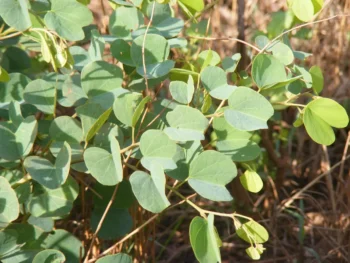
African Plume: A Showy Climbing Beauty for Warm Climate Gardens
If you’re looking for a plant that puts on a spectacular floral show year-round, the African plume (Bauhinia galpinii) might just catch your eye. This eye-catching climber produces some of the most stunning orange-red flowers you’ll find in the plant world, making it a favorite among gardeners in warm climates.
What Exactly Is African Plume?
African plume, scientifically known as Bauhinia galpinii, is a perennial climbing plant that belongs to the legume family. This twining beauty can scramble up supports with its relatively long stems, creating a cascade of vibrant blooms that’s hard to ignore. You might also find it listed under its botanical synonym, Bauhinia punctata.
Where Does It Come From?
Despite its popularity in American gardens, African plume isn’t actually native to the United States. This showstopper originally hails from southern Africa, particularly South Africa. It’s been introduced to various warm regions around the world and has established itself as a non-native species that reproduces naturally in the wild.
In the United States, you’ll find African plume growing in California, Texas, and Puerto Rico, where the climate suits its tropical and subtropical preferences.
- Species observed
- No observations
Why Gardeners Love (and Sometimes Worry About) African Plume
Let’s be honest – the main reason people fall for African plume is those absolutely gorgeous flowers. Picture this: bright orange-red, orchid-like blooms with prominent red stamens that seem to glow in the sunlight. These beauties can appear throughout the year in ideal conditions, giving you almost constant color.
The plant is also incredibly easy to grow, which makes it appealing to both beginners and busy gardeners. It’s drought tolerant once established and doesn’t demand much fuss to look fabulous.
However, there’s a flip side to consider. Since African plume isn’t native to North America and can spread aggressively, some gardeners prefer to stick with native alternatives that support local ecosystems better.
Growing Conditions and Care
African plume is surprisingly low-maintenance for such a showy plant. Here’s what it needs to thrive:
- Sunlight: Full sun to partial shade (though more sun usually means more flowers)
- Soil: Well-draining soil is essential – this plant hates soggy feet
- Water: Regular watering while establishing, then quite drought tolerant
- Climate: USDA hardiness zones 9b-11; can be grown as an annual in cooler areas
Planting and Care Tips
Getting African plume established is pretty straightforward:
- Plant in spring after the last frost in your area
- Provide a trellis, fence, or other support structure for climbing
- Water regularly during the first growing season to help roots establish
- Prune regularly to control growth and prevent it from taking over
- In cooler zones, consider growing in containers that can be moved indoors
One important note: African plume can be quite the enthusiastic grower, so stay on top of pruning to keep it where you want it.
Wildlife and Pollinator Benefits
Those bright, nectar-rich flowers aren’t just pretty to look at – they’re also magnets for butterflies and hummingbirds. If you’re trying to create a pollinator-friendly garden, African plume can certainly contribute to that goal.
Garden Design Ideas
African plume works beautifully in several garden settings:
- Tropical and subtropical landscape designs
- Mediterranean-style gardens
- As a specimen plant on a trellis or arbor
- In large containers for patios or decks
- As a colorful backdrop climbing a fence or wall
Consider Native Alternatives
While African plume is undeniably beautiful, you might want to consider native climbing plants that provide similar benefits while supporting local wildlife. Depending on your region, native alternatives might include trumpet vine (Campsis radicans), coral honeysuckle (Lonicera sempervirens), or crossvine (Bignonia capreolata).
The Bottom Line
African plume is an undeniably stunning plant that can add tropical flair to warm climate gardens. If you choose to grow it, just be prepared to stay on top of pruning and consider its non-native status. Whether you go with African plume or choose a native alternative, the key is creating a garden that brings you joy while being mindful of your local ecosystem.