African Sheepbush: A Drought-Tough Shrub for Desert Gardens
If you’re looking for a hardy, low-maintenance shrub that can handle the toughest desert conditions, African sheepbush (Pentzia incana) might catch your eye. This compact, silvery-gray shrub has made itself at home in the American Southwest, though it originally hails from much farther away.
What is African Sheepbush?
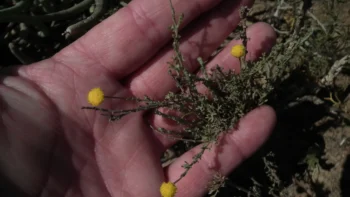
African sheepbush is a perennial shrub that typically stays under 4-5 feet tall, making it a manageable size for most garden spaces. True to its name, this plant sports a soft, grayish appearance thanks to its fuzzy, gray-green foliage. The shrub produces small clusters of tiny white to pale yellow flowers that, while not showstoppers, add a delicate touch to its overall appearance.
Also known by its scientific name Pentzia incana (and sometimes listed under the synonym Pentzia virgata), this multi-stemmed woody plant creates a rounded, bushy form that works well as a foundation planting or accent piece.
Where Does It Grow?
Originally from South Africa’s Karoo region, African sheepbush is not native to North America. However, it has established itself in Arizona and New Mexico, where it reproduces on its own in the wild. This tells us something important: it’s tough enough to survive and thrive in challenging desert conditions without any help from gardeners.
- Species observed
- No observations
Should You Plant African Sheepbush?
Here’s where things get a bit complicated. While African sheepbush isn’t currently listed as invasive or noxious, it is a non-native plant that has naturalized in the Southwest. This means it’s spreading beyond gardens and into wild spaces on its own.
If you’re drawn to its drought tolerance and low-maintenance nature, you might want to consider native alternatives first. Plants like desert broom (Baccharis sarothroides), fairy duster (Calliandra eriophylla), or brittlebush (Encelia farinosa) offer similar benefits while supporting local ecosystems.
That said, if you already have African sheepbush or choose to plant it, it can certainly serve a purpose in water-wise landscaping.
Growing African Sheepbush Successfully
If you decide to grow African sheepbush, you’re in for a pretty easy ride. This plant is practically built for neglect – in the best possible way.
Ideal Growing Conditions
- Sunlight: Full sun – the more, the better
- Soil: Well-draining soil is essential; it can handle poor, rocky soils
- Water: Drought tolerant once established; minimal watering needed
- Climate: Thrives in USDA hardiness zones 8-10
Planting and Care Tips
Getting African sheepbush established is straightforward. Plant it in spring after the last frost, giving it plenty of space to reach its mature size. While it’s getting established (usually the first year), provide occasional deep watering, but don’t overdo it – this plant prefers to be on the dry side.
Once established, your main job is to stay out of its way. You might want to give it a light pruning after flowering to maintain its shape, but even that’s optional. The plant’s naturally compact growth habit means it rarely gets unruly.
Garden Design Ideas
African sheepbush works well in several landscape scenarios:
- As a foundation planting around desert-style homes
- In rock gardens where its silvery foliage provides color contrast
- As part of a xeriscape design focused on water conservation
- In mixed plantings with other drought-tolerant perennials
Wildlife and Pollinator Benefits
While African sheepbush does produce small flowers that may attract some pollinators, its benefits to local wildlife are limited compared to native plants. The small blooms might draw in tiny beneficial insects, but you won’t see the same level of ecosystem support that native plants provide.
The Bottom Line
African sheepbush is undeniably tough and low-maintenance, making it appealing for gardeners in hot, dry climates. However, as a non-native plant that’s already established itself in wild areas, it’s worth considering whether native alternatives might better serve both your garden and the local ecosystem. If you do choose to grow it, you’ll find it’s a reliable, if understated, addition to water-wise gardens.