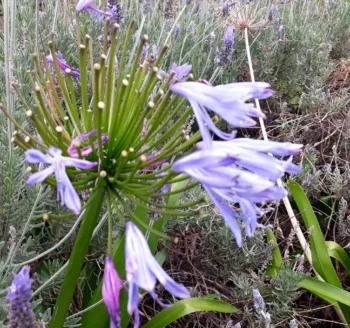
Agapanthus praecox orientalis: The Blue Beauty That’s Not From Around Here
If you’ve ever spotted those stunning clusters of blue or purple trumpet-shaped flowers perched atop tall, elegant stems in a neighbor’s garden, chances are you were admiring Agapanthus praecox orientalis. This eye-catching perennial has won hearts worldwide with its architectural presence and reliable blooms, but before you rush to plant it, there are a few things every gardener should know.
What’s in a Name?
While this plant doesn’t have a widely recognized common name in North American gardening circles, it’s part of the broader agapanthus family often called Lily of the Nile or African Lily. You might also encounter it under its synonym, Agapanthus orientalis F.M. Leighton, in older gardening references.
Where Does It Really Come From?
Here’s where things get interesting for native plant enthusiasts: Agapanthus praecox orientalis hails from South Africa, specifically the Eastern Cape and KwaZulu-Natal regions. This means it’s not native to North America, despite its popularity in gardens from California to Florida.
The Good, The Beautiful, and The Non-Native
Let’s be honest about why this plant has such a following. Agapanthus praecox orientalis brings some serious garden drama with its:
- Showy clusters of blue to purple flowers that bloom from summer into fall
- Sturdy stems that can reach 2-4 feet tall
- Attractive strap-like foliage that forms neat clumps
- Relatively low maintenance once established
- Ability to attract pollinators like bees and butterflies
Growing Conditions and Care
If you decide to grow Agapanthus praecox orientalis, it’s surprisingly accommodating. This plant thrives in USDA hardiness zones 8-11 and prefers:
- Full sun to partial shade (though more sun means more flowers)
- Well-draining soil – it absolutely hates wet feet
- Moderate water during the growing season
- Protection from harsh winds
Once established, it’s quite drought tolerant, making it a popular choice for water-wise gardens and Mediterranean-style landscapes.
Planting and Maintenance Tips
Getting your agapanthus off to a good start is pretty straightforward:
- Plant in spring after the last frost date
- Space plants about 18-24 inches apart
- Water regularly the first year to establish roots
- Divide overcrowded clumps every 3-4 years in early spring
- Cut back spent flower stems but leave foliage until it naturally dies back
The Native Alternative Angle
While Agapanthus praecox orientalis isn’t invasive and makes a lovely garden addition, native plant enthusiasts might want to consider some homegrown alternatives that provide similar visual impact while supporting local ecosystems. Depending on your region, native options might include wild bergamot, purple coneflower, or various native iris species that offer comparable height, color, and pollinator appeal.
Perfect Garden Roles
This South African beauty shines in several landscape situations:
- Mixed perennial borders where it provides vertical interest
- Container gardens on patios or decks
- Mediterranean or drought-tolerant garden designs
- Coastal gardens where it handles salt spray well
- Contemporary landscapes that benefit from its clean, architectural form
The Bottom Line
Agapanthus praecox orientalis is undeniably beautiful and relatively easy to grow in the right conditions. While it’s not native to North America, it’s also not considered invasive, making it a neutral choice for gardeners who prioritize aesthetics alongside ecological considerations. Just remember that choosing native plants whenever possible helps support local wildlife and maintains the natural character of your region’s landscape.
Whether you choose this striking South African or opt for a native alternative, the key is creating a garden that brings you joy while being mindful of its broader environmental impact.