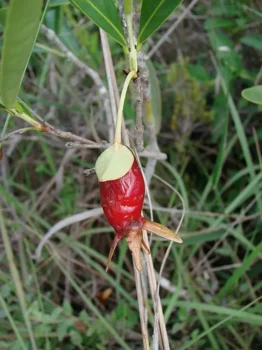
Aggregate Eugenia: A Mysterious Native Plant Worth Knowing About
If you’ve stumbled across the name aggregate eugenia (Eugenia aggregata) in your native plant research, you’re not alone in wondering what exactly this plant is all about. This member of the myrtle family presents quite the puzzle for gardeners and botanists alike.
What We Know (And Don’t Know) About Aggregate Eugenia
Here’s where things get interesting – and a bit frustrating for those of us who like our plant facts neat and tidy. Eugenia aggregata appears in various plant databases, but detailed information about this specific species is surprisingly scarce. What we do know is that it belongs to the Eugenia genus, which includes many tropical and subtropical shrubs and small trees known for their glossy leaves and often edible berries.
Geographic Distribution and Native Status
The geographic distribution of aggregate eugenia remains largely undocumented in readily available horticultural sources. Like many Eugenia species, it’s likely associated with warmer climates, but without specific native range information, it’s difficult to recommend this plant for native gardening purposes.
Should You Plant Aggregate Eugenia?
This is where honesty becomes important. With so little documented information about Eugenia aggregata’s growing requirements, hardiness zones, mature size, and ecological benefits, it’s challenging to recommend this plant for your garden. Here’s what you should consider:
- Limited cultivation information makes successful growing uncertain
- Unknown native status means unclear benefits for local ecosystems
- Lack of documented pollinator and wildlife benefits
- Uncertain hardiness and growing requirements
Better Alternatives for Your Native Garden
If you’re drawn to the Eugenia genus or looking for native plants with similar characteristics, consider researching well-documented native species in your area instead. Your local native plant society or extension office can provide recommendations for:
- Native shrubs with glossy, evergreen foliage
- Plants that provide berries for wildlife
- Species with documented pollinator benefits
- Plants with known growing requirements and care instructions
The Takeaway
Sometimes in the plant world, we encounter species that remain enigmatic despite our best research efforts. Eugenia aggregata appears to be one of these mystery plants. While it may indeed be a wonderful addition to the right garden in the right climate, the lack of available growing information makes it a risky choice for most gardeners.
When building a native garden, it’s generally best to stick with well-documented species that have proven track records for both successful cultivation and ecological benefits. Your garden – and the local wildlife – will thank you for choosing plants with known benefits and clear growing guidelines.
If you do have specific information about Eugenia aggregata or have experience growing this species, we’d love to hear from you! Gardening knowledge grows best when it’s shared among fellow plant enthusiasts.