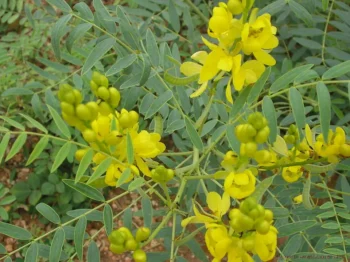
Alexandrian Senna: A Mediterranean Herb with Ancient Roots
If you’ve ever sipped a certain type of herbal tea for digestive purposes, you might already be familiar with Alexandrian senna (Senna alexandrina), even if you didn’t know it by name. This unassuming perennial herb has been treasured for centuries, and while it’s not native to North America, it has found its way into specialized gardens across warmer regions of the United States.
What Exactly Is Alexandrian Senna?
Alexandrian senna is a perennial forb—essentially a non-woody plant that comes back year after year. Don’t let the simple description fool you, though. This plant packs quite a punch in both appearance and traditional uses. You might also see it listed under several other scientific names, including Cassia acutifolia, Cassia angustifolia, or Senna angustifolia, which can make plant shopping a bit like solving a botanical puzzle.
Originally from Northeast Africa and the Arabian Peninsula, this sun-loving herb has adapted well to similar climates around the world. In the United States, it’s established itself in the Virgin Islands, where it grows and reproduces without human intervention.
- Species observed
- No observations
Why Gardeners Choose (or Skip) Alexandrian Senna
The decision to grow Alexandrian senna often comes down to specific interests and growing conditions. Here’s what makes it appealing—and what might give you pause:
The Good Stuff
- Striking flowers: Bright yellow blooms that attract bees and butterflies
- Low maintenance: Drought-tolerant once established
- Historical significance: Grown for traditional medicinal uses
- Heat lover: Thrives in hot, dry conditions where other plants struggle
The Considerations
- Limited growing range: Only suitable for USDA zones 9-11
- Non-native status: Won’t support local ecosystems like native plants
- Specific purpose: Primarily grown for medicinal rather than ornamental value
Where Alexandrian Senna Shines in the Garden
This isn’t your typical border plant or foundation planting. Alexandrian senna works best in specialized garden settings:
- Medicinal or herb gardens: Perfect for collectors of traditional healing plants
- Xerophytic landscapes: Ideal for water-wise gardening in desert-like conditions
- Educational gardens: Great for demonstrating plants from different world regions
- Pollinator patches: The yellow flowers provide nectar for beneficial insects
Growing Alexandrian Senna Successfully
If you’re in the right climate and interested in growing this Mediterranean native, here’s what it needs to thrive:
Location and Soil
Choose the sunniest spot in your garden—this plant absolutely loves full sun. Well-draining soil is crucial; soggy conditions will quickly spell doom for your senna. Sandy or rocky soils that might challenge other plants are actually perfect for this drought-adapted species.
Planting and Establishment
Start from seed in warm weather, as this plant needs consistent heat to germinate and establish. Once planted, be patient—it may take some time to get going, but once established, it’s remarkably self-sufficient.
Care and Maintenance
The beauty of Alexandrian senna lies in its low-maintenance nature. Water regularly during the first growing season to help establish roots, then back off significantly. Mature plants can handle long dry spells and actually prefer less water to more.
Climate Considerations
Here’s the catch: unless you live in USDA hardiness zones 9-11, you’ll likely need to treat this as a container plant that overwinters indoors. It simply can’t handle frost or extended cold periods.
Supporting Native Ecosystems
While Alexandrian senna isn’t harmful to grow, it’s worth considering native alternatives that provide similar benefits while supporting local wildlife. Native senna species like Wild Senna (Senna hebecarpa) or American Senna (Senna marilandica) offer beautiful yellow flowers and support native pollinators and other wildlife in ways that non-native species simply cannot.
The Bottom Line
Alexandrian senna occupies a unique niche in the gardening world. It’s not for everyone—climate limitations and its specialized nature see to that. But for gardeners interested in medicinal plants, water-wise landscaping, or simply collecting interesting species from around the world, it can be a fascinating addition to the right garden setting.
Just remember: great gardens are built on understanding what each plant needs and whether you can provide it. If you’re in the right zone and interested in this plant’s particular qualities, it might be worth a try. If you’re looking to support local ecosystems, though, native alternatives will serve your garden—and your local wildlife—much better.