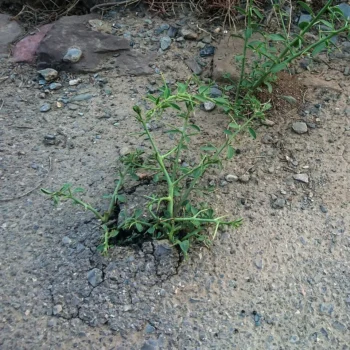
Alhagi: The Invasive Shrub You Should Avoid in Your Garden
If you’ve stumbled across the name alhagi in your gardening research, you might be wondering whether this perennial shrub deserves a spot in your landscape. The short answer? Absolutely not. While Alhagi might sound exotic and interesting, this non-native plant has earned itself a notorious reputation across the American West as an aggressive invader that’s best left out of any responsible gardener’s plans.
What Exactly Is Alhagi?
Alhagi is a thorny, multi-stemmed perennial shrub that typically grows between 13 to 16 feet tall, though it can sometimes reach even greater heights depending on conditions. This woody plant produces small pink to purple pea-like flowers that might seem attractive at first glance, but don’t let its blooms fool you into thinking it’s garden-worthy.
Originally hailing from the Middle East, Central Asia, and Mediterranean regions, this plant has made itself far too comfortable in the western United States, where it definitely doesn’t belong.
Where You’ll Find This Troublemaker
Alhagi has established populations across nine western states: Arizona, California, Colorado, Idaho, Nevada, New Mexico, Texas, Utah, and Washington. What makes this particularly concerning is that this non-native species reproduces spontaneously in the wild without any human help and has shown a troubling tendency to persist and spread.
- Species observed
- No observations
Why Alhagi Is Bad News for Your Garden (and Beyond)
Here’s where things get serious. Alhagi isn’t just an innocent non-native plant – it’s considered invasive throughout much of its introduced range in the western United States. This means it actively harms local ecosystems by:
- Outcompeting native plants for resources
- Altering soil conditions with its deep taproot system
- Creating dense thickets that crowd out beneficial native species
- Providing little to no value for local wildlife compared to native alternatives
The plant’s extreme drought tolerance and ability to thrive in poor soils – qualities that might seem appealing to low-maintenance gardeners – are actually part of what makes it such a successful invader.
Growing Conditions (That You Shouldn’t Provide)
While we strongly recommend against planting Alhagi, understanding its preferred conditions can help you identify and remove it if it appears uninvited:
- Thrives in full sun
- Extremely drought tolerant
- Adapts to poor, disturbed soils
- Hardy in USDA zones 4-10
- Develops extensive root systems that make removal difficult
Better Alternatives for Your Western Garden
Instead of risking ecological damage with Alhagi, consider these native alternatives that offer similar drought tolerance and visual appeal:
- Desert Willow (Chilopsis linearis) – beautiful trumpet-shaped flowers
- Palo Verde species – stunning yellow blooms and unique green bark
- Native sage species (Artemisia) – aromatic foliage and excellent wildlife value
- Rabbitbrush (Ericameria nauseosa) – bright yellow fall flowers beloved by pollinators
These native options will provide the drought tolerance you’re looking for while supporting local ecosystems and wildlife.
The Bottom Line
Alhagi might seem like an interesting addition to a xeriscape garden, but its invasive nature makes it a plant that responsible gardeners should avoid entirely. Instead of contributing to the spread of this ecological troublemaker, invest in native plants that will provide beauty, drought tolerance, and genuine benefits to your local environment.
Remember: the best gardens work with nature, not against it. By choosing native alternatives over invasive species like Alhagi, you’re not just creating a beautiful landscape – you’re being a good steward of your local ecosystem.