Alkali Swainsonpea: A Hardy Non-Native for Tough Growing Conditions
Meet alkali swainsonpea (Sphaerophysa salsula), a resilient perennial that’s made quite a name for itself across the American West. While this isn’t a native plant, it’s certainly earned its stripes as a survivor in some pretty challenging landscapes. If you’re dealing with difficult growing conditions and wondering whether this tough little plant might work for your garden, let’s dive into what makes it tick.
What Exactly Is Alkali Swainsonpea?
Alkali swainsonpea is a perennial forb—basically a non-woody flowering plant that comes back year after year. You might also see it listed under its former scientific names, Phaca salsula or Swainsona salsula, but Sphaerophysa salsula is the current accepted name. This member of the pea family originally hails from Central Asia, particularly Mongolia, Kazakhstan, and parts of Russia.
As a non-native species, alkali swainsonpea has established itself across a impressive swath of North America, including parts of Canada and numerous western U.S. states. It’s found its way into Arizona, California, Colorado, Idaho, Kansas, Montana, Nevada, New Mexico, Oregon, Texas, Utah, Washington, and Wyoming, plus Saskatchewan in Canada.
- Species observed
- No observations
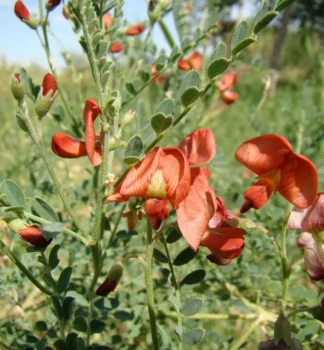
What Does It Look Like?
This plant brings some subtle charm to harsh landscapes with its:
- Small, pea-like flowers in shades of purple to pink that cluster together
- Silvery-green foliage that has an almost ethereal quality
- Distinctive inflated seed pods that develop after flowering
- Low-growing, spreading habit that works well as ground cover
Where Does It Grow Best?
Alkali swainsonpea is remarkably adaptable to different moisture conditions. In the Arid West and Great Plains regions, it’s classified as facultative upland, meaning it usually prefers non-wetland areas but can tolerate some moisture. In the Western Mountains, Valleys, and Coast region, it’s considered obligate upland and almost never occurs in wetlands.
This plant thrives in USDA hardiness zones 4-9 and has a particular talent for tolerating:
- Poor, alkaline soils (hence the alkali in its common name)
- Drought conditions
- Full sun exposure
- Disturbed or challenging sites
Garden and Landscape Uses
If you’re working with tough growing conditions, alkali swainsonpea might earn a spot in your landscape for:
- Erosion control on slopes or disturbed areas
- Ground cover in xeriscaping projects
- Naturalizing areas where few other plants will grow
- Adding texture and subtle color to drought-tolerant plantings
Pollinator and Wildlife Value
Like many members of the pea family, alkali swainsonpea produces flowers that attract bees and other pollinators. The clustered blooms provide nectar and pollen resources, particularly valuable in harsh environments where flowering plants may be scarce.
Growing and Care Tips
One of alkali swainsonpea’s biggest selling points is how little fuss it requires once established:
- Plant in full sun for best performance
- Tolerates poor, alkaline soils—no need for soil amendments
- Drought tolerant once established, requiring minimal irrigation
- May self-seed readily, so consider this if you want to control its spread
- Generally pest and disease free
- Low maintenance—just let it do its thing
Should You Plant It?
Since alkali swainsonpea is non-native, it’s worth considering native alternatives first. Look for native legumes or ground covers that are adapted to your specific region—your local native plant society or extension office can provide excellent recommendations that will support local ecosystems even better.
That said, if you’re dealing with particularly challenging conditions where native options have struggled, alkali swainsonpea’s resilience and low-maintenance nature might make it a practical choice. It’s not currently listed as invasive or noxious, but keep an eye on how readily it self-seeds in your area.
This tough little plant proves that sometimes the most unassuming species can be exactly what a challenging landscape needs. Whether you choose native alternatives or decide alkali swainsonpea fits your specific situation, the key is finding plants that can thrive in your unique growing conditions while supporting the broader ecosystem around them.