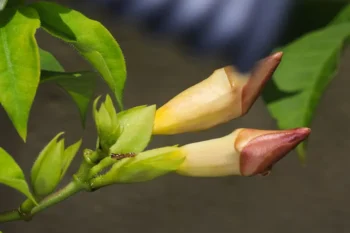
Allamanda: The Golden Trumpet That Brings Year-Round Sunshine to Your Garden
If you’re dreaming of a garden that feels like a perpetual vacation in the tropics, allamanda might just be the plant to make those dreams come true. With its bright yellow, trumpet-shaped blooms and glossy green leaves, this eye-catching shrub has been winning over gardeners in warm climates for generations.
What Exactly is Allamanda?
Allamanda is a perennial shrub that typically grows as a multi-stemmed woody plant, usually reaching heights of 13 to 16 feet, though it can sometimes grow taller or remain more compact depending on growing conditions. Originally from South America, particularly Brazil, this non-native plant has found its way into gardens across warm regions where it reproduces and persists naturally.
Where Does Allamanda Grow?
In the United States, you’ll find allamanda thriving in Florida, Puerto Rico, and the U.S. Virgin Islands. It’s also established in Palau in the Pacific Basin. This distribution tells you everything you need to know about its climate preferences – it’s definitely a warm-weather lover!
- Species observed
- No observations
Why Gardeners Love (and Sometimes Question) Allamanda
There’s no denying allamanda’s visual appeal. Those brilliant yellow, trumpet-shaped flowers bloom practically year-round in suitable climates, creating a constant display of sunshine in your landscape. The glossy, dark green foliage provides an attractive backdrop that makes those golden blooms pop even more.
However, since allamanda isn’t native to most areas where it’s grown, some gardeners prefer to choose native alternatives that better support local ecosystems. If you’re in Florida, consider native options like wild coffee (Psychotria nervosa) or firebush (Hamelia patens), which offer similar ornamental value while providing better habitat for local wildlife.
Perfect Spots for Allamanda in Your Landscape
Allamanda works beautifully in several garden settings:
- Tropical and subtropical garden designs
- Mediterranean-style landscapes
- Coastal gardens in warm climates
- As a hedge or privacy screen
- As an accent plant in mixed borders
- Container gardens (with regular pruning)
Growing Conditions: What Allamanda Needs to Thrive
Success with allamanda comes down to giving it the warm, sunny conditions it craves:
- Climate: USDA hardiness zones 9-11 only – this plant cannot handle frost
- Light: Full sun to partial shade (more flowers in full sun)
- Soil: Well-draining soil is essential; avoid waterlogged conditions
- Water: Regular watering, but allow soil to dry between waterings
- Temperature: Consistently warm temperatures year-round
Planting and Care Tips for Success
Getting your allamanda established and keeping it happy isn’t too complicated:
- Timing: Plant in spring after any danger of cold weather has passed
- Spacing: Allow plenty of room for growth – these shrubs can get quite large
- Watering: Water regularly during establishment, then adjust to seasonal rainfall
- Fertilizing: Feed with a balanced fertilizer during the growing season
- Pruning: Prune occasionally to maintain desired size and shape
- Winter care: In zone 9, protect from cold snaps with frost cloth if needed
Wildlife and Pollinator Benefits
Allamanda’s trumpet-shaped flowers do attract some pollinators, particularly butterflies drawn to their nectar. However, as a non-native plant, it doesn’t provide the same level of ecological support as native species would for local wildlife populations.
The Bottom Line on Allamanda
Allamanda can be a stunning addition to warm-climate gardens, offering reliable color and tropical flair. If you choose to grow it, you’ll be rewarded with nearly continuous blooms and relatively easy care requirements. Just remember that in our increasingly eco-conscious gardening world, native plants often provide greater benefits to local ecosystems. Whether you choose allamanda or explore native alternatives, the most important thing is creating a garden space that brings you joy while being mindful of your local environment.