Allocasuarina acutivalvis: A Unique Australian Native for Drought-Tolerant Gardens
Meet Allocasuarina acutivalvis, a distinctive Australian native that’s perfect for gardeners seeking something a little different. While this plant doesn’t have a widely recognized common name, its unique appearance and tough-as-nails personality make it a standout choice for the right garden setting.
Where Does It Come From?
This hardy shrub calls Western Australia home, specifically thriving in the southwestern regions of the continent. As a true native of Australia, it’s perfectly adapted to challenging conditions that would make other plants wilt with despair.
What Does It Look Like?
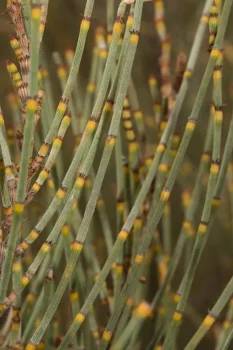
Don’t expect traditional leaves with Allocasuarina acutivalvis! Instead, this fascinating plant produces needle-like branchlets called cladodes that give it an almost pine-like appearance. These fine, segmented branches create a delicate, feathery texture that adds visual interest to any garden. The plant typically grows as a small to medium-sized shrub, making it a manageable addition to most landscapes.
Why Grow Allocasuarina acutivalvis?
Here’s where this plant really shines:
- Drought champion: Once established, it laughs in the face of dry conditions
- Unique texture: Those needle-like branches add an unusual architectural element
- Low maintenance: Perfect for gardeners who prefer plants that take care of themselves
- Native authenticity: Ideal for Australian native plant gardens
- Wind tolerance: Makes an excellent windbreak or screening plant
Perfect Garden Settings
Allocasuarina acutivalvis works beautifully in several garden styles:
- Native Australian plant collections
- Xerophytic or drought-tolerant gardens
- Coastal gardens (it handles salt spray well)
- Modern, architectural landscapes where texture matters
- Low-water Mediterranean-style gardens
Growing Conditions and Care
This plant has some non-negotiable requirements, but they’re simple enough:
Sunlight: Full sun is essential – this plant won’t tolerate shade
Soil: Well-draining soil is absolutely critical. Heavy clay or waterlogged conditions will spell disaster for your Allocasuarina acutivalvis
Water: Once established, minimal watering is needed. In fact, too much water can harm the plant
Climate: Best suited for USDA hardiness zones 9-11, thriving in Mediterranean-like climates
Planting and Care Tips
Getting started with this unique native is straightforward if you follow these guidelines:
- Site preparation: Ensure excellent drainage – consider raised beds or slopes if your soil is heavy
- Planting time: Plant in fall or early spring to allow establishment before extreme weather
- Spacing: Give plants adequate room to reach their mature size without crowding
- Watering: Water regularly during the first growing season, then reduce significantly
- Pruning: Light pruning if needed, but generally unnecessary
- Fertilizing: Minimal fertilization required – these plants prefer lean soils
Wildlife and Ecosystem Benefits
While Allocasuarina acutivalvis is wind-pollinated rather than insect-pollinated, it still contributes to garden ecosystems by providing shelter and nesting sites for small birds and beneficial insects. The dense, fine foliage creates excellent cover for wildlife.
Is This Plant Right for You?
Allocasuarina acutivalvis is perfect for gardeners who appreciate unique textures, need drought-tolerant plants, and want to grow authentic Australian natives. However, it’s not the right choice if you have heavy, poorly-draining soil, live in a humid climate, or prefer plants with showy flowers.
If you’re ready for something different and can provide the well-draining conditions this plant demands, Allocasuarina acutivalvis could be the perfect addition to your drought-tolerant garden palette.