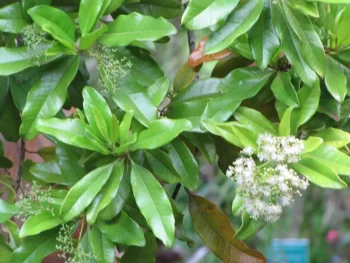
Allspice Tree: Growing Your Own Culinary Treasure
Ever wondered where that warm, complex spice in your holiday baking comes from? Meet the allspice tree (Pimenta dioica), a tropical beauty that’s been tantalizing taste buds and perfuming gardens for centuries. While you might know allspice from your spice rack, growing your own allspice tree can be a rewarding adventure for gardeners in the right climate zones.
What Exactly is Allspice?
Despite its name suggesting a blend of spices, allspice comes from a single source: the dried berries of Pimenta dioica. This evergreen tree is also known by its botanical synonyms Pimenta officinalis and Pimenta pimenta, though these names are less commonly used today. The allspice moniker comes from the berry’s unique flavor profile, which seems to combine hints of cinnamon, nutmeg, and cloves all in one.
Where Does Allspice Grow?
Originally hailing from the Caribbean, Central America, and southern Mexico, allspice has made itself at home in several U.S. territories and states. You’ll find naturalized populations thriving in Florida, Hawaii, Puerto Rico, and the U.S. Virgin Islands, where the warm, humid climate suits this tropical native perfectly.
- Species observed
- No observations
Should You Plant Allspice in Your Garden?
Here’s the thing about allspice trees – they’re absolutely gorgeous and useful, but they come with some important considerations. As a non-native species that has naturalized in several U.S. regions, allspice sits in that interesting middle ground where it’s not problematic enough to avoid entirely, but it’s worth thinking about native alternatives first.
Reasons you might want to grow allspice:
- Harvest your own fresh allspice berries for cooking
- Enjoy the aromatic, glossy evergreen foliage year-round
- Appreciate the delicate white flowers that attract pollinators
- Create a unique conversation piece in your tropical garden
Things to consider:
- It’s not native to the continental U.S., so it won’t support local ecosystems as effectively as native plants
- Limited to very warm climates (USDA zones 10-12 only)
- Can take several years to mature and produce berries
If you’re looking for native alternatives that offer similar benefits, consider exploring native aromatic trees in your region that support local wildlife while providing garden interest.
The Allspice Tree in Your Landscape
When mature, allspice trees are impressive specimens that can reach heights of 13-40 feet or more. As perennial woody plants with single trunks, they make excellent shade trees or focal points in tropical and subtropical landscapes. The glossy, aromatic leaves provide year-round interest, while the small white flower clusters create a delicate display before developing into the prized brown berries.
These trees work beautifully in:
- Edible landscapes and herb gardens
- Tropical and subtropical garden designs
- Large container plantings (in cooler climates with winter protection)
- Mixed plantings with other aromatic or culinary plants
Growing Conditions and Care
Allspice trees are pretty particular about their growing conditions – they’re true tropical plants that need warmth and humidity to thrive.
Climate Requirements:
- USDA Hardiness Zones 10-12 only
- Prefers consistent warmth and humidity
- Cannot tolerate frost or prolonged cold
Growing Conditions:
- Full sun to partial shade
- Well-drained, fertile soil
- Regular watering, but not waterlogged conditions
- Protection from strong winds
Planting and Care Tips
Successfully growing allspice requires attention to its tropical nature:
- Planting: Choose a sheltered location with good drainage. In marginal climates, consider container growing so you can move the plant indoors during cooler weather.
- Watering: Keep soil consistently moist but not soggy. These trees appreciate humidity, so consider misting in dry conditions.
- Fertilizing: Feed with a balanced fertilizer during the growing season to support healthy growth.
- Pruning: Minimal pruning needed, just remove dead or damaged branches.
- Patience: Trees typically take 3-6 years to begin producing berries, so think of this as a long-term investment.
Wildlife and Pollinator Benefits
While allspice trees aren’t native, their small white flowers do provide nectar for bees and other pollinators during blooming season. However, for maximum ecological benefit, consider incorporating native flowering trees and shrubs alongside or instead of allspice to better support your local ecosystem.
The Bottom Line
Growing allspice can be a delightful addition to tropical and subtropical gardens, especially for gardeners interested in edible landscaping. While it’s not a native species, it’s also not considered problematic in areas where it’s naturalized. Just remember that success depends entirely on providing the warm, humid conditions this tropical tree craves. If you’re in the right climate zone and excited about harvesting your own allspice berries, this aromatic tree might be worth a spot in your garden – just consider balancing it with native plants that support local wildlife too.