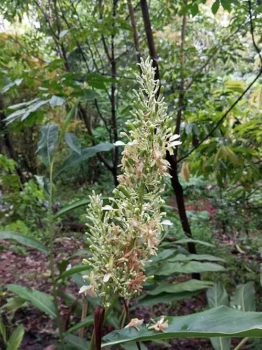
Alpinia: The Tropical Beauty That’s Not From Around Here
If you’ve ever dreamed of transforming your garden into a lush tropical paradise, you’ve probably encountered alpinia (Alpinia) at some point. This striking perennial herb brings serious tropical vibes with its bold foliage and exotic appearance, but there’s more to this plant than meets the eye.
What Exactly Is Alpinia?
Alpinia is a genus of herbaceous perennials that belong to the ginger family. Despite their tropical appearance, these plants are technically forb herbs – vascular plants without significant woody tissue above ground. Think of them as the dramatic cousins of your typical garden herbs, just with a lot more personality and considerably larger leaves.
While commonly known simply as alpinia, these plants pack a visual punch that’s hard to ignore. Their paddle-shaped leaves create instant tropical ambiance, and many species produce colorful flowers and ornamental fruits that add seasonal interest to the garden.
Where You’ll Find Alpinia Growing
Here’s where things get interesting: alpinia isn’t actually native to the United States. Originally from Southeast Asia and Pacific Islands, this plant has made itself at home in warmer U.S. regions including Florida, Hawaii, Puerto Rico, and the U.S. Virgin Islands. It’s what botanists call a naturalized species – meaning it reproduces on its own in the wild without human help and tends to stick around.
- Species observed
- No observations
The Appeal of Growing Alpinia
So why might you want to add alpinia to your garden? The reasons are pretty compelling:
- Instant tropical atmosphere with bold, architectural foliage
- Relatively low maintenance once established
- Provides excellent understory planting for larger trees
- Some species offer attractive flowers that may attract butterflies and other pollinators
- Works beautifully in containers for cooler climate gardeners
Growing Conditions and Care
Alpinia thrives in warm, humid conditions that mimic its native tropical habitat. Here’s what you need to know:
Climate Requirements: These plants are best suited for USDA hardiness zones 9-11, though some varieties might tolerate zone 8b with protection. If you live in a cooler climate, container growing allows you to bring them indoors during winter.
Light Needs: Alpinia prefers partial shade to filtered light. Too much direct sun can scorch the leaves, while too little light may result in leggy growth.
Soil and Water: Plant in moist, well-draining soil rich in organic matter. These plants appreciate consistent moisture but don’t tolerate waterlogged conditions. Regular watering is essential, especially during dry periods.
Additional Care Tips:
- Protect from strong winds, which can damage the large leaves
- Apply a balanced fertilizer occasionally during the growing season
- Remove dead or damaged foliage to maintain appearance
- In cooler zones, consider mulching heavily for winter protection
A Word About Native Alternatives
While alpinia can be a beautiful addition to tropical and subtropical gardens, it’s worth considering native alternatives that provide similar aesthetic appeal while supporting local ecosystems. Native plants typically require less water and care while providing better habitat for local wildlife.
If you’re drawn to alpinia’s bold foliage and tropical look, consider researching native alternatives in your region that offer similar architectural interest.
The Bottom Line
Alpinia can be a stunning addition to warm-climate gardens or container collections, offering that coveted tropical aesthetic with relatively straightforward care requirements. Just remember that as a non-native species, it’s one piece of a larger gardening puzzle. Whether you choose to grow alpinia or explore native alternatives, the key is creating a garden that brings you joy while being mindful of your local ecosystem.
Happy gardening, and may your tropical dreams flourish!