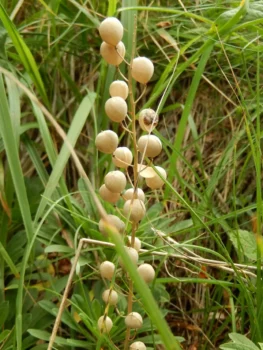
Alyssoides utriculata: A Mediterranean Charmer for Rock Gardens
If you’re drawn to plants with unusual names and Mediterranean charm, Alyssoides utriculata might just catch your eye. This lesser-known member of the mustard family brings a touch of the Greek countryside to gardens, though it’s definitely not a household name in most gardening circles.
What Exactly Is Alyssoides utriculata?
Alyssoides utriculata is a compact perennial that hails from the sunny Mediterranean region, particularly Greece and surrounding areas. You might occasionally see it listed under its synonym, Alyssum graecum, though that name is less commonly used today. Unlike many plants that boast a collection of colorful common names, this one seems to prefer going by its scientific moniker.
The Look and Feel
This charming little plant puts on quite a show with its clusters of bright yellow flowers that appear in spring. The blooms sit atop silvery-green foliage that has an almost ethereal quality. It’s a compact grower, making it perfect for tucking into small spaces where you want maximum impact without overwhelming neighboring plants.
Where It Shines in Your Garden
Alyssoides utriculata is practically made for rock gardens and Mediterranean-style landscapes. Its drought tolerance and compact nature make it an excellent choice for:
- Rock gardens and stone walls
- Xeriscaping projects
- Mediterranean-themed gardens
- Areas with poor, well-draining soil
- Slopes and challenging spots where other plants struggle
Growing Conditions and Care
The good news is that this plant isn’t particularly fussy once you understand its preferences. Think Mediterranean vacation when planning its spot:
Sunlight: Full sun is essential for the best flowering and compact growth.
Soil: Well-draining soil is absolutely crucial. This plant would rather go thirsty than have wet feet.
Water: Once established, it’s quite drought tolerant. Water sparingly and allow soil to dry between waterings.
Climate: Best suited for USDA hardiness zones 7-10, where it can handle mild winter conditions.
Planting and Maintenance Tips
Getting started with Alyssoides utriculata is relatively straightforward if you keep its Mediterranean origins in mind:
- Plant in spring after the last frost
- Ensure excellent drainage – consider raising beds or adding gravel if your soil is heavy
- Space plants appropriately to allow for air circulation
- Deadhead spent flowers to encourage continued blooming
- Light pruning after flowering helps maintain shape
- Avoid overwatering, especially in winter
Wildlife and Pollinator Benefits
While it may be small, Alyssoides utriculata pulls its weight when it comes to supporting garden wildlife. The bright yellow flowers attract various small pollinators, including bees and beneficial insects that help keep your garden ecosystem healthy.
Should You Plant It?
Alyssoides utriculata can be a delightful addition to the right garden setting. It’s particularly well-suited for gardeners who love Mediterranean plants and have the right growing conditions. However, since it’s not native to North America, you might also consider native alternatives that provide similar benefits while supporting local ecosystems.
Some native alternatives to consider include wild bergamot (Monarda), native sedums, or regional wildflowers that thrive in similar dry, sunny conditions. These plants will provide comparable aesthetic appeal while offering superior support for local wildlife and pollinators.
Whether you choose Alyssoides utriculata or a native alternative, the key is matching the plant to your specific garden conditions and goals. This Mediterranean beauty certainly has its place for those seeking something a little different in their rock gardens or drought-tolerant landscapes.