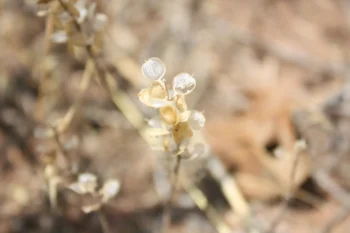
Alyssum: A Hardy Little Annual with a Wandering Spirit
Meet Alyssum simplex, a small but determined annual that has made itself quite at home across the western United States. While this isn’t a native plant to North America, this little wanderer has established itself in ten states from California to Colorado, proving that sometimes the smallest plants can be the most adventurous.
What Exactly Is This Plant?
Alyssum simplex is what botanists call a forb—basically a non-woody flowering plant that lives its entire life cycle in just one growing season. Think of it as nature’s version of a quick-change artist: it sprouts, blooms, sets seed, and calls it a year, all while staying close to the ground with delicate clusters of tiny white flowers.
This little plant goes by several scientific aliases (botanists love their synonyms!), including Alyssum minus and Alyssum parviflorum, but don’t let the name game confuse you—we’re talking about the same determined little annual.
Where You’ll Find It Growing Wild
Originally from the Mediterranean region and parts of Asia, this adaptable plant has naturalized across much of the western United States. You’ll find it growing wild in California, Colorado, Kansas, Montana, Nebraska, Nevada, New Mexico, Oregon, Utah, and Wyoming—quite the cross-country tour for such a small plant!
- Species observed
- No observations
Should You Invite It Into Your Garden?
Here’s where things get interesting. Alyssum simplex isn’t native to North America, but it’s also not considered invasive or particularly problematic. It’s more like that quiet neighbor who minds their own business—present, but not pushy.
The Case for Growing It:
- Extremely low maintenance once established
- Thrives in poor soils where other plants struggle
- Perfect for rock gardens and naturalized areas
- Self-seeding means less work for you
- Drought tolerant once established
Things to Consider:
- As a non-native, it won’t provide the same ecosystem benefits as native plants
- May self-seed more than you’d like
- Small flowers offer limited visual impact compared to showier natives
Growing Alyssum Successfully
If you decide to give this little globetrotter a try, you’ll find it refreshingly undemanding. Alyssum simplex is the plant equivalent of a low-maintenance friend—easy to please and doesn’t ask for much.
Preferred Growing Conditions:
- Sunlight: Full sun to partial shade
- Soil: Tolerates poor, rocky, or disturbed soils
- Water: Drought tolerant; prefers dry conditions
- Climate: Adaptable annual that self-seeds in suitable conditions
Planting and Care Tips:
- Direct seed in spring after last frost
- Barely cover seeds—they need light to germinate
- Water lightly until established, then let nature take over
- No fertilizer needed—this plant actually prefers lean conditions
- Allow some plants to go to seed if you want next year’s crop
A Better Native Alternative?
While Alyssum simplex isn’t harmful, consider native alternatives that provide similar benefits while supporting local ecosystems. Depending on your region, native options might include local buckwheats, native mustards, or other small flowering annuals that naturally occur in your area. These will offer better support for native pollinators and wildlife while providing similar aesthetic appeal.
The Bottom Line
Alyssum simplex is like that reliable friend who doesn’t demand attention but is always there when you need them. It’s not going to win any garden beauty contests, but if you need something tough, undemanding, and willing to grow where other plants fear to tread, this little annual might just be your answer. Just remember that choosing native plants when possible is always the more eco-friendly option for supporting local wildlife and maintaining regional ecosystem health.