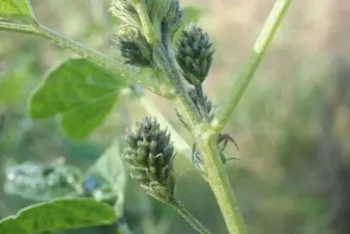
American Scurfpea: A Lesser-Known Non-Native Plant
If you’ve stumbled across the name American scurfpea (Cullen americanum), you might be wondering whether this plant deserves a spot in your garden. Here’s the thing about this particular species – it’s something of a botanical mystery with very little documentation available for home gardeners.
What is American Scurfpea?
American scurfpea, scientifically known as Cullen americanum, is a perennial forb – essentially an herbaceous plant that lacks woody stems. Like other members of the herb family, it has its growing points at or below ground level, helping it survive from year to year. You might also see this plant listed under its botanical synonyms, including Psoralea americana.
Where Does It Grow?
Despite its common name suggesting American origins, Cullen americanum is actually non-native to the United States. Currently, it has established populations in Florida and Mississippi, where it reproduces on its own in the wild.
- Species observed
- No observations
Should You Plant American Scurfpea?
Here’s where things get tricky. While this plant isn’t listed as invasive or noxious, there’s remarkably little information available about growing it successfully in home gardens. We don’t have reliable data about:
- Specific growing conditions it prefers
- USDA hardiness zones where it thrives
- Its benefits to pollinators or wildlife
- Proper planting and care techniques
- How it looks when mature or its role in landscape design
A Better Alternative: Go Native!
Since American scurfpea isn’t native and lacks solid cultivation information, why not consider native alternatives that offer proven benefits? Native plants in the Fabaceae family (the same plant family as scurfpea) offer excellent options:
- Wild lupine (Lupinus perennis) for striking blue flower spikes
- Partridge pea (Chamaecrista fasciculata) for cheerful yellow blooms
- Wild senna (Senna hebecarpa) for late-season color
These native alternatives come with the added bonus of supporting local ecosystems, providing food for native insects, and having well-documented growing requirements.
The Bottom Line
While we can’t definitively say you shouldn’t grow American scurfpea (it’s not listed as problematic), the lack of cultivation information makes it a risky choice for most gardeners. Your time and garden space are precious – why not invest them in well-researched native plants that you know will thrive and support your local wildlife?
If you’re specifically interested in this plant for research purposes or have found it growing wild in your area, consider consulting with local botanists or extension agents who might have region-specific knowledge about its behavior and requirements.