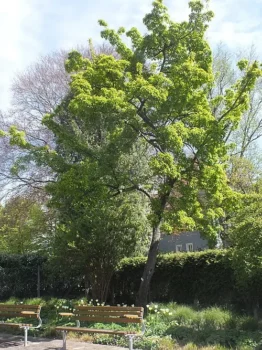
Amur Maple: A Beautiful but Problematic Non-Native Tree
The Amur maple (Acer ginnala) might catch your eye at the garden center with its promise of brilliant fall color and easy care, but before you bring this small tree home, there are some important things you should know. While undeniably attractive, this Asian native has earned itself a troublesome reputation in North America that every responsible gardener should understand.
What Is Amur Maple?
Amur maple is a small deciduous tree or large shrub that typically grows 15-20 feet tall with a rounded, multi-stemmed growth form. Originally from northeastern Asia—including China, Mongolia, Korea, and eastern Russia—this hardy little tree has made itself quite at home in North America, perhaps a little too much at home.
Also known by the synonym Acer tataricum ssp. ginnala, this perennial woody plant is incredibly tough, surviving temperatures as low as -38°F and thriving in USDA hardiness zones 2-8.
Geographic Distribution and Invasive Status
You’ll find Amur maple growing across a wide swath of North America, from Canadian provinces like Manitoba, Ontario, and New Brunswick, down through states including Connecticut, Illinois, Michigan, Minnesota, and Wisconsin, among others. But here’s the concerning part: it’s not just staying put in people’s yards.
- Species observed
- No observations
Important Alert: Amur maple has invasive status in multiple states. Connecticut lists it as Potentially Invasive, while Wisconsin has classified it as Restricted. This means the tree readily escapes cultivation, reproduces on its own in wild areas, and can displace native plant communities.
Why Amur Maple Seems Appealing
It’s easy to understand why gardeners are drawn to Amur maple. This fast-growing tree offers several attractive features:
- Spectacular fall color with leaves turning brilliant red-orange
- Fragrant white spring flowers that attract pollinators like bees
- Attractive red winged seed pods (samaras) in summer and fall
- Dense summer foliage that provides good screening
- Exceptional cold hardiness and drought tolerance once established
- Adaptable to various soil types, preferring well-draining, medium-textured soils
The Problem: Invasive Tendencies
While Amur maple’s hardiness makes it an easy-care landscape plant, these same qualities help it invade natural areas. The tree produces abundant seeds that spread readily, and it can resprout from the base when cut, making it difficult to control once established in wild areas.
The tree’s rapid growth rate and ability to tolerate various conditions—from full sun to intermediate shade, pH levels from 6.1 to 7.5, and annual precipitation from 30 to 60 inches—means it can outcompete native species in many environments.
Our Recommendation: Choose Native Alternatives
Given Amur maple’s invasive status, we strongly recommend choosing native alternatives that can provide similar benefits without the ecological risks. Consider these native options for fall color and wildlife value:
- Sugar maple (Acer saccharum) for brilliant fall color
- Red maple (Acer rubrum) for adaptability and red fall foliage
- Serviceberry species (Amelanchier) for spring flowers, fall color, and wildlife food
- Dogwood species (Cornus) for multi-season interest
- Native viburnums for screening and wildlife benefits
If You Already Have Amur Maple
If you currently have Amur maple in your landscape, consider these management strategies:
- Prevent seed spread by removing the winged seed pods before they mature and disperse
- Monitor your property and surrounding areas for volunteer seedlings
- Consider gradual replacement with native alternatives
- Never plant additional Amur maples or share seeds/seedlings with others
The Bottom Line
While Amur maple offers undeniable beauty and ease of care, its invasive potential makes it a poor choice for environmentally conscious gardeners. The impact on native ecosystems simply isn’t worth the short-term aesthetic benefits. Instead, explore the many native alternatives that can provide similar beauty while supporting local wildlife and plant communities. Your local environment—and future generations of gardeners—will thank you for making the responsible choice.