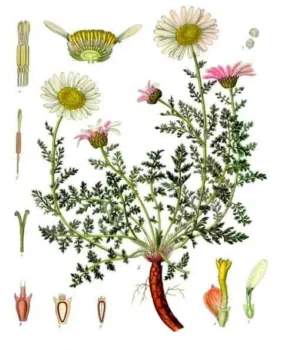
Anacyclus: A Mediterranean Annual for Your Garden
If you’ve stumbled across the name Anacyclus while browsing seed catalogs or plant databases, you might be wondering what exactly this little-known plant brings to the table. This unassuming annual forb has quietly made its way into American gardens, though it remains relatively obscure compared to its flashier cousins in the daisy family.
What is Anacyclus?
Anacyclus is a genus of annual flowering plants that belongs to the Asteraceae family – yes, the same family that gives us sunflowers, daisies, and black-eyed Susans. As a forb, it’s essentially a non-woody flowering plant that completes its entire life cycle in a single growing season. Think of it as nature’s way of packing a lot of living into a short timeframe!
This plant is considered non-native to the United States, having been introduced from its Mediterranean origins. It has established itself and reproduces naturally in the wild, particularly in Pennsylvania where it has been documented growing without human assistance.
Where Does Anacyclus Grow?
Currently, Anacyclus has been recorded growing in Pennsylvania, though as an introduced species, it may potentially establish in other areas with suitable growing conditions. Its presence in the wild suggests it can adapt to local growing conditions once established.
- Species observed
- No observations
Should You Grow Anacyclus?
Here’s where things get interesting – and a bit complicated. While Anacyclus isn’t considered invasive or particularly problematic, it’s also not native to our ecosystems. This puts it in a gray area that many gardeners face when choosing plants.
If you’re drawn to this Mediterranean annual, there’s no major red flag preventing you from growing it. However, if you’re committed to supporting local wildlife and ecosystems, you might want to consider native alternatives that provide similar garden benefits while supporting local pollinators and wildlife.
Growing Anacyclus Successfully
Since specific growing information for the genus Anacyclus is limited, gardeners interested in this plant should approach it with the understanding that it’s an annual forb from Mediterranean climates. This suggests it likely prefers:
- Well-draining soil
- Full to partial sun exposure
- Moderate watering (avoiding waterlogged conditions)
- Cooler growing seasons typical of annual wildflowers
As an annual, you’ll need to replant it each year or allow it to self-seed if conditions are favorable. Keep in mind that allowing non-native plants to self-seed should be done thoughtfully to prevent unintended spread.
Native Alternatives to Consider
If you’re looking for similar characteristics in a native plant, consider exploring native annual wildflowers in the Asteraceae family. Many regions have beautiful native daisies, asters, and other composite flowers that provide excellent garden interest while supporting local ecosystems.
Some options to research for your specific region might include native fleabanes (Erigeron species), native asters, or regional wildflower mixes that contain annual species suited to your local growing conditions.
The Bottom Line
Anacyclus represents one of those garden plants that isn’t necessarily good or bad – it simply exists in that middle ground of introduced species that have found a niche without causing major ecological disruption. Whether you choose to grow it depends largely on your gardening philosophy and goals.
If you do decide to include Anacyclus in your garden, approach it as you would any annual: provide basic care, enjoy its contribution to your garden’s diversity, and consider pairing it with native species that support your local ecosystem. After all, the best gardens often blend thoughtful plant choices with an appreciation for both beauty and ecological responsibility.