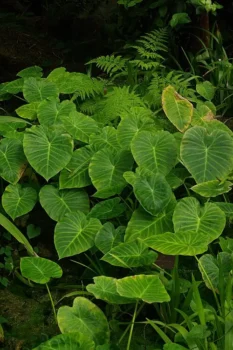
Anchored Water Hyacinth: A Beautiful But Problematic Aquatic Plant
If you’ve ever browsed water garden catalogs or visited aquatic plant nurseries, you might have encountered the anchored water hyacinth (Eichhornia azurea). With its striking purple-blue flowers and lush green foliage, this perennial aquatic plant certainly catches the eye. But before you add it to your water garden wishlist, there are some important things every gardener should know about this deceptively attractive plant.
What Is Anchored Water Hyacinth?
Anchored water hyacinth is a herbaceous perennial forb that belongs to the water hyacinth family. Unlike its free-floating cousin, this species typically anchors itself to the bottom of water bodies with its root system. The plant produces beautiful spikes of purple-blue flowers that can attract pollinators like bees and butterflies when they bloom above the water surface.
Where Does It Come From and Where Is It Found?
Originally native to South America (particularly Brazil, Argentina, and Paraguay), anchored water hyacinth is now considered a non-native, introduced species in the United States. Currently, you’ll find established populations in Florida and Puerto Rico, where it has naturalized and reproduces without human assistance.
- Species observed
- No observations
Why You Should Think Twice Before Planting
Here’s where things get serious: despite its ornamental appeal, anchored water hyacinth comes with significant baggage. This plant has earned some rather unflattering official designations:
- Prohibited status in Wisconsin: It’s actually illegal to possess, transport, or introduce this plant in Wisconsin
- Federal noxious weed status: The plant is classified as a noxious weed at the federal level
- Invasive tendencies: Once established, it can spread aggressively and disrupt local ecosystems
As an obligate wetland plant (meaning it almost always occurs in wetlands), anchored water hyacinth can quickly colonize natural water bodies, potentially crowding out native aquatic plants that local wildlife depends on.
Growing Conditions and Care (If Legal in Your Area)
For educational purposes, here’s what this plant needs to thrive:
- USDA Hardiness Zones: 9-11 (tropical and subtropical climates)
- Light: Full sun exposure
- Water conditions: Warm water temperatures, nutrient-rich aquatic environments
- Habitat: Ponds, lakes, slow-moving waterways
The plant’s aggressive growth habit and ability to spread rapidly make it a management headache even in controlled garden settings.
Better Alternatives for Your Water Garden
Instead of risking ecological damage with anchored water hyacinth, consider these native and non-invasive alternatives for your aquatic landscape:
- Native water lilies (Nymphaea species) for floating beauty
- Pickerel rush (Pontederia cordata) for purple flower spikes
- Arrowhead (Sagittaria species) for interesting foliage
- Native iris species for waterside color
The Bottom Line
While anchored water hyacinth might seem like an attractive addition to water gardens, its invasive nature and legal restrictions make it a plant to avoid. The risk of ecological damage and potential legal issues far outweigh any aesthetic benefits. As responsible gardeners, we have the opportunity to choose plants that enhance our landscapes while protecting our local ecosystems.
When planning your water garden, stick with native alternatives that provide similar beauty without the environmental baggage. Your local wildlife – and your neighbors downstream – will thank you for making the responsible choice.