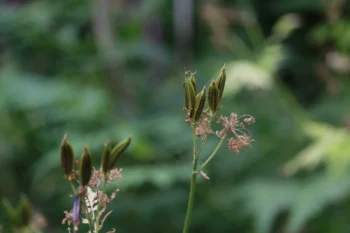
Sweet Cicely (Anise): A Fragrant European Herb for Cool Climate Gardens
If you’ve ever wandered through an old-fashioned herb garden and caught a whiff of something sweetly aromatic with hints of licorice, you might have encountered Myrrhis odorata, commonly known as anise or sweet cicely. This charming perennial herb brings a touch of European countryside charm to North American gardens, though it’s worth understanding both its appeal and its non-native status before adding it to your landscape.
What is Sweet Cicely?
Sweet cicely is a herbaceous perennial forb that belongs to the carrot family. This European native has made itself quite at home in cooler regions of North America, where it reproduces spontaneously and persists without human intervention. The plant is characterized by its delicate, fern-like foliage and distinctive umbrella-shaped clusters of tiny white flowers that appear in late spring to early summer.
Where Does It Grow?
Originally from the mountainous regions of Europe, sweet cicely has established populations across several North American locations. You’ll find it growing in British Columbia, Nova Scotia, Ontario, Michigan, Oregon, Pennsylvania, and Newfoundland. The plant thrives in cooler climates and is hardy in USDA zones 3-7.
- Species observed
- No observations
Garden Appeal and Uses
Sweet cicely offers several attractive qualities for gardeners:
- Delicate, aromatic foliage that releases a pleasant anise scent when brushed
- Graceful white flower umbels that attract beneficial insects
- Interesting seed heads that add texture to the garden
- Historical significance as a culinary and medicinal herb
- Ability to naturalize in woodland settings
The plant works beautifully in cottage gardens, herb gardens, and naturalized woodland edges. Its soft texture and white flowers make it an excellent companion for other shade-tolerant perennials.
Pollinator and Wildlife Benefits
Sweet cicely’s umbrella-shaped flower clusters are magnets for small beneficial insects, including native bees, flies, and tiny wasps. These pollinators appreciate the accessible nectar and pollen, making the plant a valuable addition to pollinator-friendly gardens.
Growing Conditions and Care
This adaptable herb prefers:
- Partial shade to dappled sunlight (full sun in cooler climates)
- Moist, well-draining soil
- Cool summer temperatures
- Rich, humusy soil similar to woodland conditions
Planting and Maintenance Tips
Sweet cicely is relatively low-maintenance once established:
- Plant in spring or fall when temperatures are cool
- Space plants 18-24 inches apart
- Keep soil consistently moist but not waterlogged
- Cut back flower stems after blooming to prevent excessive self-seeding
- Allow some seeds to develop if you want the plant to naturalize
- Divide clumps every 3-4 years in early spring
A Word About Native Status
While sweet cicely has naturalized successfully in North America, it’s important to remember that it’s not a native species. As a non-native plant that readily self-seeds, gardeners should monitor its spread and prevent it from escaping into sensitive natural areas. Consider deadheading spent flowers if you’re concerned about unwanted spread.
For those interested in supporting native ecosystems, consider these native alternatives that offer similar qualities:
- Wild ginger (Asarum canadense) for shade and interesting foliage
- Sweet woodruff (Galium odoratum) for fragrant groundcover
- Native ferns for delicate, lacy texture
The Bottom Line
Sweet cicely can be a delightful addition to cool-climate gardens, especially for those who appreciate its historical significance and aromatic qualities. Its ability to attract beneficial insects and thrive in partial shade makes it useful in woodland gardens and herb collections. However, responsible gardening means being mindful of its non-native status and taking steps to prevent unwanted spread into natural areas.
If you choose to grow sweet cicely, enjoy its old-world charm while keeping an eye on its tendency to self-seed. With proper management, this fragrant herb can be a lovely part of your garden’s story without overwhelming native plant communities.