Annual Rabbitsfoot Grass: A Mediterranean Wanderer in North American Gardens
If you’ve spotted a soft, fuzzy-looking grass popping up in wet areas of your garden, you might be looking at annual rabbitsfoot grass (Polypogon monspeliensis). Also known as Montpelier beardgrass, this Mediterranean native has made itself quite at home across North America, though it’s probably not a plant you’d intentionally invite to your garden party.
What Is Annual Rabbitsfoot Grass?
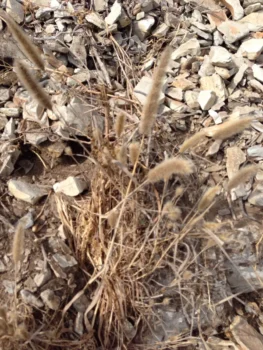
Annual rabbitsfoot grass is exactly what its name suggests – an annual grass with soft, rabbit-tail-like seed heads that give it a distinctive fuzzy appearance. This member of the Poaceae family grows as a bunch grass, meaning it forms clumps rather than spreading by runners. Despite its somewhat charming common name, it’s generally considered more of a weedy volunteer than a desirable garden plant.
Where You’ll Find It
Originally from the Mediterranean region around Montpelier, France, annual rabbitsfoot grass has become a cosmopolitan traveler. It’s now established across most of North America, from Alaska to Hawaii, and from coast to coast including Alberta, California, Texas, Florida, and everywhere in between. This grass has proven remarkably adaptable to different climates and conditions.
- Species observed
- No observations
Native Status and Garden Considerations
Here’s the thing about annual rabbitsfoot grass – it’s not native to North America. While it’s not currently listed as invasive, this European immigrant has naturalized widely and reproduces without any help from humans. For gardeners who prefer native plants, there are much better grass options that support local ecosystems.
If you’re looking for native alternatives, consider:
- Native sedges for wet areas
- Local bunch grasses suited to your region
- Native wetland grasses that provide better wildlife habitat
Appearance and Growth Habits
Annual rabbitsfoot grass grows relatively quickly, reaching about 1.7 feet tall at maturity. Its fine-textured green foliage forms an erect, bunching growth pattern. The real show-stopper (if you can call it that) is its yellow flowers that bloom in late spring, followed by brown, fuzzy seed heads that give the plant its rabbit-themed common name.
True to its annual nature, the plant completes its entire life cycle in one growing season, with active growth occurring in spring and summer. Don’t expect fall color – this grass isn’t particularly conspicuous once it starts declining.
Growing Conditions
If annual rabbitsfoot grass does show up in your garden, you’ll likely find it in wet or moist areas. This grass has a high moisture requirement and shows up most commonly in wetland environments, though it can tolerate some drier conditions. Here’s what it prefers:
- Moisture: High water needs; thrives in wet soils
- Soil: Adapts to coarse, medium, or fine-textured soils
- pH: Tolerates a wide range from 4.8 to 7.8
- Sun: Intolerant of shade; needs full sun
- Temperature: Minimum temperature of 52°F; needs at least 90 frost-free days
- Hardiness: Zones 3-11
Wildlife and Pollinator Value
As a wind-pollinated grass, annual rabbitsfoot grass offers minimal benefits to pollinators like bees and butterflies. Its wildlife value is also limited compared to native grass species that co-evolved with local fauna. If you’re gardening for wildlife, you’ll get much better results from native plant choices.
Management and Care
Most gardeners won’t be actively planting annual rabbitsfoot grass, but if you find it growing in your garden, here’s what you should know:
Propagation: It spreads readily by seed, with about 125,000 seeds per pound. Seeds are produced in summer and don’t persist long in the soil.
Control: Since it’s an annual, preventing seed production will eliminate it over time. Hand-pulling is effective for small populations, especially when the soil is moist.
Prevention: Maintaining healthy, dense stands of desirable plants will help prevent this opportunistic grass from establishing.
The Bottom Line
While annual rabbitsfoot grass isn’t aggressively invasive, it’s not particularly beneficial either. Most gardeners will be better served by choosing native grasses and wetland plants that provide superior habitat value and aesthetic appeal. If you’re dealing with wet areas in your landscape, consider consulting with local native plant societies or extension services for recommendations on beautiful, beneficial native alternatives that will serve your garden – and local wildlife – much better.
Remember, every plant choice is an opportunity to support local ecosystems, so why not choose plants that truly belong in your corner of the world?