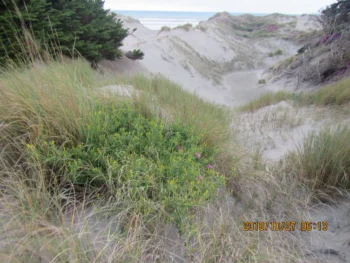
Annual Yellow Sweetclover: A Quick-Growing Ground Cover with Sweet Benefits
If you’re looking for a fast-growing annual that can quickly fill empty spaces in your garden while potentially benefiting the soil, annual yellow sweetclover (Melilotus indicus) might catch your attention. This unassuming little plant packs quite a punch when it comes to rapid growth and adaptability, though it comes with some considerations every gardener should know about.
What Is Annual Yellow Sweetclover?
Annual yellow sweetclover, also known as sourclover or sweet clover, is exactly what its name suggests – a one-season wonder that produces cheerful yellow flowers. As a member of the legume family, this herbaceous plant grows as a forb (think of it as a non-woody flowering plant) and typically reaches about 2.5 feet in height.
The plant produces small, bright yellow flowers arranged in spike-like clusters that are quite conspicuous during its blooming period in early spring. Its fine-textured, green foliage gives it a delicate appearance, though don’t let that fool you – this plant is surprisingly hardy and fast-growing.
Native Status and Geographic Distribution
Here’s something important to know upfront: annual yellow sweetclover is not native to North America. Originally from the Mediterranean region and parts of Asia, this plant has established itself across a remarkably wide range of North American locations. You’ll find it thriving in states from Alabama to Washington, provinces from British Columbia to Nova Scotia, and even in Hawaii and various Pacific territories.
- Species observed
- No observations
While it’s not considered invasive or noxious in most areas, its non-native status means it’s essentially a naturalized immigrant in our ecosystems. It reproduces readily on its own and tends to persist once established.
Why Gardeners Might Consider (Or Avoid) This Plant
Annual yellow sweetclover offers several appealing qualities that make it attractive to certain gardeners:
- Rapid growth rate means quick results
- Nitrogen-fixing ability can improve soil fertility
- Drought tolerant once established
- Attracts pollinators with its yellow blooms
- Low maintenance requirements
- Thrives in poor soils where other plants struggle
However, there are some reasons you might want to think twice:
- As a non-native species, it doesn’t provide the same ecological benefits as native plants
- It can spread rapidly and may outcompete desired plants
- Limited commercial availability makes it harder to source
- Short lifespan means replanting each year
Growing Conditions and Care
If you decide to grow annual yellow sweetclover, you’ll find it refreshingly undemanding. This plant is quite adaptable and can handle a range of conditions, though it does have some preferences.
Soil Requirements
Annual yellow sweetclover prefers medium-textured soils but can adapt to various soil types. It tolerates pH levels ranging from slightly acidic (6.1) to moderately alkaline (8.2), making it suitable for most garden soils. The plant requires moderate fertility and has medium calcium carbonate tolerance.
Water and Climate Needs
With medium drought tolerance, this plant can handle dry spells once established, though it performs best with moderate moisture. It requires at least 130 frost-free days and can tolerate temperatures as low as 20°F, making it suitable for USDA hardiness zones 8-11.
Light Requirements
This sun-loving plant is intolerant of shade, so make sure to plant it in full sun locations for best results. Its active growing period spans fall, winter, and spring, making it an interesting cool-season annual.
Planting and Propagation
Growing annual yellow sweetclover from seed is straightforward, though finding seeds might be your biggest challenge since there’s no known commercial source readily available.
When you do obtain seeds, you’ll find they germinate readily without cold stratification. The plant produces abundant seeds (about 300,320 seeds per pound!) and spreads rapidly once established. Seeds are typically produced in spring and don’t persist long in the soil.
Plant seeds in early fall for best results, allowing the plant to establish during its preferred growing season. The seedlings show high vigor and grow rapidly once conditions are right.
Landscape Uses and Design Role
Annual yellow sweetclover works best in naturalized settings, meadow gardens, or as a temporary ground cover in disturbed areas. Its rapid growth makes it useful for quickly stabilizing soil or filling gaps while you decide on permanent plantings.
The plant’s nitrogen-fixing ability makes it valuable as a green manure crop – you can grow it for a season and then till it into the soil to improve fertility for future plantings.
Wildlife and Pollinator Benefits
The bright yellow flowers attract various pollinators, particularly bees, during the blooming period. While specific wildlife benefits aren’t well-documented, most legumes provide some ecological value through their flowers and seed production.
Wetland Status and Water Tolerance
Annual yellow sweetclover typically grows in upland conditions and rarely occurs in wetlands. Across most regions, it’s classified as Facultative Upland, meaning it usually prefers non-wetland areas but can occasionally tolerate wetter conditions. In Hawaii, it’s considered Obligate Upland and almost never occurs in wetlands.
Native Alternatives to Consider
Given that annual yellow sweetclover is non-native, you might want to consider these native alternatives that offer similar benefits:
- Wild lupine (Lupinus perennis) – another nitrogen-fixing legume with showy flowers
- Partridge pea (Chamaecrista fasciculata) – fast-growing native annual legume
- Wild senna (Senna hebecarpa) – native legume with yellow flowers
- Regional native clovers and vetches specific to your area
The Bottom Line
Annual yellow sweetclover can be a useful plant for specific situations – particularly when you need quick soil improvement or temporary ground cover. Its rapid growth, nitrogen-fixing ability, and low maintenance requirements make it appealing for utilitarian purposes.
However, as a non-native species, it won’t provide the same long-term ecological benefits as native plants. If you’re focused on supporting local wildlife and creating sustainable garden ecosystems, native alternatives might serve you better.
Whatever you decide, remember that this plant’s rapid growth and self-seeding nature mean it could spread beyond where you initially plant it. Consider your garden’s long-term goals and your local ecosystem before adding this quick-growing annual to your landscape.