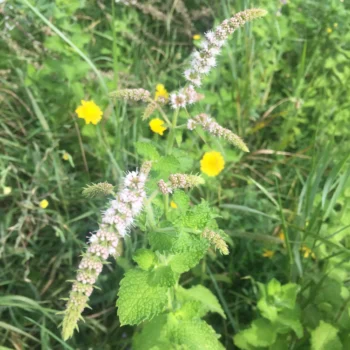
Apple Mint: A Fragrant Mediterranean Herb for Your Garden
If you’ve ever brushed against a plant and been greeted by the delightful scent of fresh apples mixed with mint, you’ve likely encountered apple mint (Mentha suaveolens). This aromatic perennial herb brings both culinary potential and sensory pleasure to gardens across the United States, though it’s worth knowing its full story before you plant it.
What is Apple Mint?
Apple mint is a perennial forb—essentially a non-woody plant that lives for multiple years. Unlike its more aggressive mint cousins, apple mint has distinctively fuzzy, rounded leaves that release a sweet apple-mint fragrance when touched. The plant produces small white to pale pink flowers in summer, creating modest but charming spikes that rise above the foliage.
You might also see this plant referred to by its botanical name, Mentha suaveolens, or its synonym Mentha rotundifolia in older gardening references.
Native Status and Distribution
Here’s where things get interesting: apple mint isn’t actually native to North America. This Mediterranean native has made itself quite at home across much of the United States, establishing populations in 24 states from coast to coast, including Alabama, Arizona, California, Connecticut, Delaware, Florida, Illinois, Indiana, Kentucky, Louisiana, Maine, Massachusetts, Michigan, New Jersey, New Mexico, New York, North Carolina, Ohio, Oregon, Pennsylvania, South Carolina, Texas, Virginia, and Washington.
- Species observed
- No observations
The plant has naturalized successfully, meaning it reproduces on its own in the wild without human intervention. While this adaptability makes it an easy garden plant, it’s worth considering native alternatives like wild mint (Mentha arvensis) if you’re focused on supporting local ecosystems.
Growing Conditions and Hardiness
Apple mint thrives in USDA hardiness zones 5-9, making it suitable for most temperate regions of the United States. The plant has a fascinating relationship with water—it’s classified as Facultative Wetland in most regions, meaning it usually prefers moist conditions but can adapt to drier sites.
For optimal growth, provide:
- Moist, well-draining soil
- Partial shade to full sun (though some afternoon shade is appreciated in hot climates)
- Rich, organic soil when possible
- Consistent moisture, especially during dry spells
Garden Role and Design Uses
Apple mint excels in several garden settings:
- Herb gardens: Perfect for culinary use in teas, desserts, and fruit salads
- Cottage gardens: Adds informal charm and fragrance
- Sensory gardens: The textured leaves and apple scent provide tactile and aromatic interest
- Ground cover: Spreads to form aromatic carpets in appropriate locations
Planting and Care Tips
Apple mint is refreshingly low-maintenance, but there are a few key points to ensure success:
Planting: Start with nursery plants or divisions from established clumps. Plant in spring after the last frost, spacing plants 12-18 inches apart.
Containment is key: Like most mints, apple mint spreads via underground runners. Plant it in containers, raised beds with barriers, or areas where spreading won’t be problematic.
Watering: Keep soil consistently moist but not waterlogged. The plant’s wetland preferences mean it appreciates more water than many herbs.
Maintenance: Pinch flowers to encourage leaf production, or let them bloom for the pollinators. Cut back by one-third in late fall or early spring.
Benefits for Pollinators and Wildlife
When allowed to flower, apple mint becomes a buzzing hub of activity. Bees, butterflies, and other beneficial insects flock to its modest blooms, making it a valuable addition to pollinator gardens. The extended blooming period provides nectar when other sources might be scarce.
Should You Plant Apple Mint?
Apple mint can be a delightful addition to the right garden situation. Its unique fragrance, culinary uses, and pollinator benefits make it appealing to many gardeners. However, consider these factors:
Plant it if: You want a fragrant, low-maintenance herb that attracts pollinators and you have space where spreading won’t be problematic, or you can contain it effectively.
Consider alternatives if: You’re focused on native plants. Wild mint (Mentha arvensis) offers similar benefits while supporting local ecosystems, or explore other native aromatic plants like wild bergamot (Monarda fistulosa).
Remember, responsible gardening means understanding what you’re planting and managing it appropriately. Apple mint’s spreading nature requires thoughtful placement, but for many gardeners, its charms far outweigh the need for occasional management.