Apple Rose: A Charming European Import for Your Wild Garden
Meet the apple rose (Rosa villosa), a delightfully compact wild rose that’s been quietly making itself at home in parts of North America. This European native brings old-world charm to naturalized gardens, though it might not be the first choice for every gardener.
What Makes Apple Rose Special?
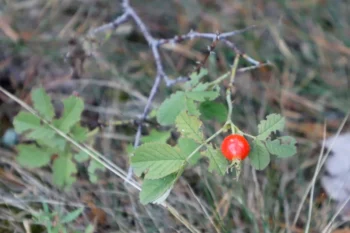
Don’t let the name fool you – the apple rose isn’t related to apple trees at all! This perennial shrub gets its common name from its unusually large, apple-shaped rose hips that develop after the flowers fade. Also known by its botanical synonyms Rosa pomifera and Rosa sancti-andreae, this little charmer stays refreshingly small, typically reaching just 1.5 feet tall and rarely exceeding 3 feet at maturity.
A Non-Native with Naturalized Tendencies
Originally from the mountainous regions of central and southern Europe, particularly the Alps and Pyrenees, Rosa villosa has established itself as a non-native species in North America. It reproduces spontaneously in the wild and has been documented in Michigan and New York, where it persists without human intervention.
- Species observed
- No observations
Garden Appeal and Aesthetic Qualities
The apple rose offers a understated beauty that fits perfectly in wild or cottage-style gardens. Its small pink to white flowers appear in early summer, followed by the plant’s signature feature: distinctive red-orange hips that are noticeably larger than those of most other wild roses. The compound leaves have serrated edges, and like most roses, the stems are adorned with thorns.
Where Apple Rose Fits in Your Landscape
This low-growing shrub works wonderfully as:
- Ground cover in naturalized areas
- Erosion control on gentle slopes
- Wildlife habitat in wild gardens
- Informal hedge or border plant
- Addition to cottage or heritage gardens
Growing Conditions and Care
One of the apple rose’s best qualities is its easy-going nature. This hardy perennial thrives in USDA zones 4-7 and adapts to various conditions:
- Light: Full sun to partial shade
- Soil: Well-drained soils; tolerates poor soil conditions
- Water: Drought tolerant once established
- Maintenance: Minimal care required
Planting and Care Tips
Getting started with apple rose is straightforward. Plant in spring or fall when temperatures are moderate. Once established, this tough little shrub pretty much takes care of itself. If you want to tidy things up, light pruning in late winter is all that’s needed. The drought tolerance makes it perfect for low-maintenance landscapes.
Benefits for Wildlife and Pollinators
The simple, single flowers provide easy access for bees, butterflies, and other pollinators seeking pollen and nectar. The substantial hips that follow offer food for birds and small mammals, making this plant a valuable addition to wildlife-friendly gardens.
Should You Plant Apple Rose?
While Rosa villosa isn’t invasive or particularly problematic, it’s worth considering native alternatives first. North American native roses like Virginia rose (Rosa virginiana) or Carolina rose (Rosa carolina) offer similar benefits while supporting local ecosystems more effectively.
That said, if you’re drawn to the apple rose’s unique character and large hips, it can be a charming addition to informal, naturalized gardens where its European heritage adds an old-world touch. Just remember that this little rose likes to spread naturally, so give it room to roam or be prepared to manage its wandering tendencies.
Whether you choose apple rose or opt for a native alternative, you’ll be adding beauty and wildlife value to your garden – and that’s always a win!