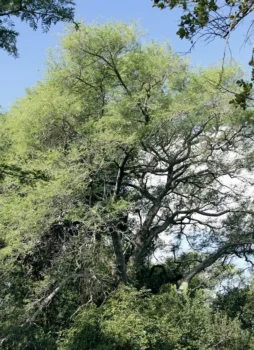
Applering Acacia: A Drought-Tolerant African Beauty for Warm Climate Gardens
Looking for a striking tree that can handle scorching summers and minimal water? Meet the applering acacia (Faidherbia albida), a magnificent African native that’s making waves in drought-conscious landscaping. This isn’t your typical backyard tree, but for the right gardener in the right climate, it could be exactly what you’re looking for.
What is Applering Acacia?
The applering acacia, scientifically known as Faidherbia albida, is a large deciduous tree that calls Africa home. You might also see it listed under its former name, Acacia albida. This impressive tree has earned its common name from its distinctive seed pods, though don’t expect actual apples – the resemblance is more about shape than taste!
Where Does It Come From?
This tree is native to Africa, particularly thriving in the Sahel region and parts of East and Southern Africa. It’s perfectly adapted to hot, dry climates with irregular rainfall – exactly the conditions that make many other trees throw in the towel.
Why You Might Want to Plant It
Here’s where the applering acacia really shines:
- Drought champion: Once established, this tree laughs in the face of drought conditions
- Impressive size: Can reach 50-80 feet tall with a spreading canopy that provides excellent shade
- Unique flowering: Produces fragrant, cream-colored flower spikes that are quite the sight
- Pollinator magnet: Those flowers are bee magnets, supporting local pollinator populations
- Fast growth: Gets to impressive size relatively quickly compared to other drought-tolerant trees
Why You Might Want to Think Twice
Before you rush to plant one, consider these factors:
- Climate limitations: Only suitable for USDA zones 9-11 – this tree does not tolerate frost well
- Space requirements: This is a big tree that needs room to spread
- Not native to North America: While not invasive, you might consider native alternatives that provide similar benefits to local ecosystems
- Young tree vulnerability: Needs protection from frost and strong winds while establishing
Growing Conditions and Care
If you’re in the right climate zone and have decided to give applering acacia a try, here’s what it needs:
Ideal Growing Conditions:
- Sunlight: Full sun is essential – this tree won’t tolerate shade
- Soil: Well-draining soil is crucial; it can handle poor soils but not waterlogged conditions
- Water: Drought tolerant once established, but needs regular watering during the first few years
- Temperature: Thrives in hot climates but can’t handle freezing temperatures
Planting and Care Tips:
- Plant in spring after the last frost danger has passed
- Dig a hole twice as wide as the root ball but no deeper
- Water deeply but infrequently to encourage deep root growth
- Mulch around the base to retain moisture and suppress weeds
- Minimal pruning needed – just remove dead or damaged branches
- Protect young trees from strong winds and any frost
Garden Design Ideas
The applering acacia works beautifully in:
- Mediterranean-style landscapes
- Xerophytic (drought-tolerant) garden designs
- Large properties where it can serve as a specimen tree
- Areas where you need substantial shade
- Water-wise landscaping projects
Consider Native Alternatives
While applering acacia isn’t considered invasive, you might want to explore native trees that offer similar drought tolerance and shade benefits. Depending on your location, consider researching native oaks, mesquites, or other regional drought-tolerant species that would provide even greater benefits to local wildlife and ecosystems.
The Bottom Line
Applering acacia is a stunning tree for the right situation – specifically, large properties in hot, dry climates where its impressive size and drought tolerance can really shine. Just make sure you’re in zones 9-11, have plenty of space, and are prepared for a tree that commands attention. If you meet these criteria and want a unique addition to your drought-tolerant landscape, this African beauty might just be your perfect match.