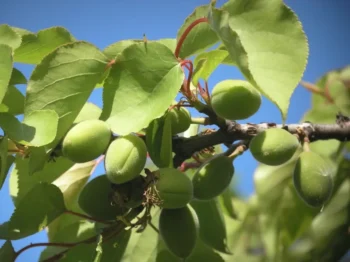
Growing Apricots: A Sweet Addition to Your Garden
If you’ve ever bitten into a perfectly ripe, sun-warmed apricot and wondered if you could grow these delectable fruits in your own backyard, you’re in for some good news! The apricot (Prunus armeniaca) is a charming deciduous tree that offers both ornamental beauty and delicious rewards for patient gardeners.
What Exactly Is an Apricot Tree?
Known by several names including albaricoque, damasco, and Siberian apricot, this perennial tree typically grows 13 to 16 feet tall, though it can sometimes develop a shorter, multi-stemmed form depending on growing conditions. As a member of the stone fruit family, apricots are cousins to peaches, plums, and cherries.
Originally hailing from Central Asia, particularly the mountainous regions of Armenia and western China, apricots have been cultivated for thousands of years. Today, you’ll find them thriving in states across America, including California, Colorado, Idaho, Illinois, Kansas, Missouri, Montana, Ohio, Oregon, Pennsylvania, and Utah.
- Species observed
- No observations
Why Consider Growing Apricots?
Apricot trees earn their keep in the garden through multiple seasons of interest:
- Spring spectacular: Gorgeous white to pale pink blossoms appear in early spring, often before the leaves emerge, creating a stunning floral display
- Summer harvest: Sweet, orange to yellow fruits ripen in mid-summer, perfect for fresh eating, baking, or preserving
- Fall finale: Oval leaves turn golden yellow before dropping, adding autumn color to your landscape
- Pollinator magnet: Early blooms provide crucial nectar and pollen when few other flowers are available, supporting bees and other beneficial insects
Growing Conditions and Care
Apricots are surprisingly adaptable trees that thrive in USDA hardiness zones 4 through 9. Here’s what they need to flourish:
Location and Soil
- Full sun exposure (at least 6-8 hours daily)
- Well-draining soil – they absolutely hate wet feet
- Protection from strong winds, especially during bloom time
- Slightly alkaline to neutral soil pH
Planting and Establishment
- Plant in spring after the last frost date
- Dig a hole twice as wide as the root ball but no deeper
- Water regularly the first year to establish a strong root system
- Once established, apricots are fairly drought-tolerant
Ongoing Care Tips
- Prune in late winter to maintain shape and remove dead or crossing branches
- Thin fruits when they’re marble-sized to prevent branch breakage and improve fruit quality
- Apply a balanced fertilizer in early spring
- Watch for common pests like aphids and scale insects
The Waiting Game
Here’s where patience comes in handy – most apricot trees won’t produce fruit for their first 3-4 years. But once they get going, you’ll be rewarded with decades of harvests. The trees also need a certain number of winter chill hours (temperatures between 32-45°F) to fruit properly, which is why they do well in areas with distinct seasons.
Garden Design Ideas
Apricot trees work beautifully as:
- Specimen trees in smaller gardens
- Part of an edible landscape or food forest
- Additions to Mediterranean or drought-tolerant gardens
- Components of a pollinator-friendly landscape
Consider Native Alternatives
While apricots aren’t native to North America, they’re well-behaved garden citizens that don’t tend to escape cultivation. However, if you’re passionate about supporting native ecosystems, consider planting native fruit-bearing trees like American plum (Prunus americana), wild cherry species, or serviceberry (Amelanchier species) alongside or instead of apricots. These natives will provide similar spring flowers and valuable wildlife food while supporting local bird and insect populations.
The Bottom Line
Growing apricots requires a bit of patience and the right conditions, but the payoff – both in garden beauty and homegrown fruit – makes the wait worthwhile. Just remember that successful apricot growing is part art, part science, and part luck with the weather. But when everything comes together and you’re enjoying fresh apricots from your own tree, you’ll agree it was worth the effort!