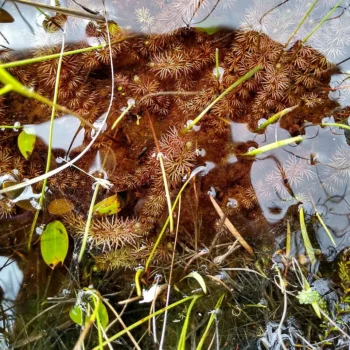
Arctic Bladderwort: A Tiny Carnivorous Wonder for Cold Water Gardens
Meet the arctic bladderwort (Utricularia stygia), one of nature’s most fascinating little predators! This diminutive aquatic plant might look unassuming floating in cold northern waters, but it’s actually a sophisticated carnivore with an appetite for microscopic prey. If you’re drawn to unusual plants and have the right growing conditions, this perennial forb offers a unique addition to specialized water features.
What Makes Arctic Bladderwort Special?
Don’t let the name fool you – while called bladderwort, this isn’t your typical garden plant. Arctic bladderwort is an aquatic carnivorous plant that floats freely in cold, acidic waters. Its claim to fame? Tiny bladder-like traps that vacuum up microscopic organisms faster than you can blink! The plant produces small, cheerful yellow flowers that peek above the water surface during its blooming period.
Where Does It Come From?
Arctic bladderwort is not native to North America. This cold-loving species originally hails from the subarctic regions of northern Europe and Asia. In North America, it has been introduced and now grows wild in Alaska, where it has naturalized in suitable wetland habitats.
- Species observed
- No observations
It’s worth noting that since this plant is non-native, you might want to consider native alternatives like American bladderwort (Utricularia americana) or other native aquatic plants that provide similar ecological benefits while supporting local ecosystems.
Growing Conditions: Not Your Average Houseplant
If you’re thinking of adding arctic bladderwort to your garden, be prepared for some very specific requirements. This isn’t a plant that adapts easily to typical garden conditions!
- Water requirements: Must have constantly wet to submerged conditions – this is an obligate wetland plant
- Water type: Prefers cold, acidic, nutrient-poor water
- Light: Full sun to partial shade
- Climate: Extremely cold hardy (USDA zones 1-4)
- Soil: Doesn’t need traditional soil – grows floating or anchored in wetland substrates
Is This Plant Right for Your Garden?
Arctic bladderwort is definitely a specialty plant that’s not suitable for most typical gardens. However, it could be perfect if you have:
- A bog garden or constructed wetland
- A wildlife pond in a very cold climate
- A naturalized wetland area you’re restoring
- An interest in carnivorous plants and aquatic gardening
Keep in mind that this plant offers limited benefits to pollinators due to its tiny flowers, and its wildlife benefits are primarily related to its role in aquatic ecosystems rather than supporting typical garden visitors like birds or butterflies.
Planting and Care Tips
If you decide to grow arctic bladderwort, here’s what you need to know:
- Provide constantly cold, acidic water conditions
- Ensure the water is low in nutrients (high nutrients can cause algae problems)
- Once established, it requires minimal maintenance
- The plant will naturally float and doesn’t need traditional planting
- Protect from complete freezing, though it’s extremely cold tolerant
The Bottom Line
Arctic bladderwort is a fascinating conversation piece for the right gardener in the right climate. While it’s not native to North America and offers limited traditional garden benefits, it could be an interesting addition to specialized water features or bog gardens in extremely cold climates. However, most gardeners would be better served by exploring native aquatic plants that provide similar interest while supporting local wildlife and ecosystems.
If you’re passionate about carnivorous plants and have the perfect cold, wet conditions, arctic bladderwort might just be the unique specimen you’re looking for. Just remember – this little predator has very particular needs and won’t thrive anywhere but its preferred aquatic habitat!