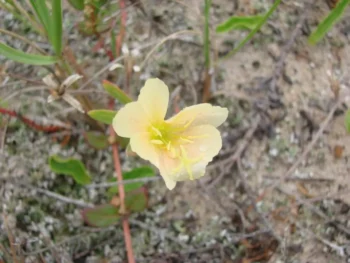
Argentine Evening Primrose: A Non-Native Annual Worth Considering
Meet the Argentine evening primrose (Oenothera mollissima), a charming annual that’s made its way from South America to establish itself in scattered locations across the United States. While it may not be native to North American soils, this delicate forb has caught the attention of gardeners looking for something a bit different in their landscape.
What Exactly Is Argentine Evening Primrose?
Argentine evening primrose is an annual forb, which is just a fancy way of saying it’s a soft-stemmed, herbaceous plant that completes its entire life cycle in one growing season. Unlike woody shrubs or trees, this plant lacks significant woody tissue and dies back completely each year, relying on seeds to continue its legacy.
As a member of the evening primrose family, it shares DNA with those classic yellow-flowered beauties that open their blooms as the sun sets. However, this particular species brings its own unique charm to the garden party.
Where You’ll Find It Growing Wild
This non-native species has established naturalized populations in New Jersey and Oregon—quite the coast-to-coast spread! It’s what botanists call an introduced species, meaning it arrived here from elsewhere (likely Argentina, given its common name) but has proven capable of reproducing and persisting without human help.
- Species observed
- No observations
Should You Plant It in Your Garden?
Here’s where things get interesting. Argentine evening primrose sits in that gray area of gardening—it’s not native, but it’s also not flagged as invasive or problematic. This means you won’t be contributing to ecological chaos if you choose to grow it, but you also won’t be supporting local wildlife in the same way native plants do.
If you’re drawn to this species, consider these factors:
- It’s an annual, so it won’t become a permanent fixture unless it self-seeds successfully
- Limited information exists about its specific growing requirements and garden performance
- You might have better luck with native evening primrose species that offer similar beauty with ecological benefits
Native Alternatives to Consider
Before you set your heart on Argentine evening primrose, consider these native alternatives that offer similar evening primrose charm:
- Common evening primrose (Oenothera biennis) – a biennial with bright yellow flowers
- Pink evening primrose (Oenothera speciosa) – spreading perennial with pink blooms
- Missouri evening primrose (Oenothera macrocarpa) – low-growing with large yellow flowers
Growing Conditions and Care
Unfortunately, specific cultural information for Oenothera mollissima is quite limited in horticultural literature. However, based on its naturalized presence in diverse locations from New Jersey to Oregon, it appears to be adaptable to various growing conditions.
If you do choose to grow this species, here are some general guidelines based on typical evening primrose preferences:
- Provide full sun to partial shade
- Ensure well-draining soil
- Water moderately—most evening primroses prefer not to sit in wet soil
- Since it’s an annual, plan to replant each year or allow it to self-seed
The Bottom Line
Argentine evening primrose represents one of those garden curiosities—interesting but not essential. While there’s nothing wrong with growing this non-native annual, you might find more satisfaction (and certainly more ecological value) in choosing native evening primrose species instead. Native alternatives will support local pollinators, require less guesswork about growing conditions, and help you create a landscape that truly belongs to your region.
If you’re set on trying something unique and have already incorporated plenty of native plants into your landscape, Argentine evening primrose could be a fun experiment. Just remember that with limited cultivation information available, you’ll be doing some detective work to figure out what makes this plant happiest in your garden.