Argentine Fingergrass: A South American Grass for Warm Climate Gardens
Meet Argentine fingergrass (Eustachys retusa), a perennial grass that’s been making its way into American gardens and wild spaces. Also known by its Spanish name pata-de-gallo (which charmingly translates to rooster’s foot), this South American native brings a unique texture to landscapes in warmer climates.
What is Argentine Fingergrass?
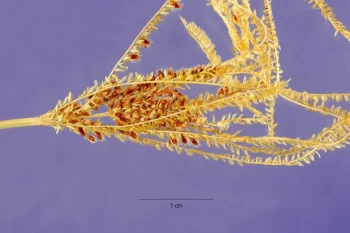
Argentine fingergrass is a clump-forming perennial grass that creates dense tufts of narrow, blue-green to gray-green leaves. Its most distinctive feature is its finger-like seed spikes that extend upward like outstretched hands, giving the plant an architectural quality that catches the eye in any landscape setting.
Originally from Argentina and surrounding South American regions, this grass has established itself in several U.S. states including Florida, Georgia, New Jersey, New York, South Carolina, and Texas. As a non-native species that reproduces spontaneously in the wild, it’s found its way into various ecosystems across these areas.
- Species observed
- No observations
Garden Appeal and Landscape Use
If you’re drawn to grasses that offer movement and texture, Argentine fingergrass delivers both in spades. Its upright growth habit and distinctive seed heads make it a conversation starter in contemporary garden designs. The plant works well in:
- Xeriscaping and drought-tolerant gardens
- Contemporary landscape designs
- Naturalized meadow-style plantings
- Areas where you want textural interest without high maintenance
Growing Conditions and Care
One of Argentine fingergrass’s selling points is its easy-going nature. This grass thrives in USDA hardiness zones 8-11, making it suitable for gardeners in warm climates. Here’s what it needs to flourish:
- Sunlight: Full sun for best growth and flowering
- Soil: Well-draining soil; tolerates poor soils well
- Water: Drought-tolerant once established, though regular watering helps establishment
- Maintenance: Low maintenance; occasional division can rejuvenate older clumps
The grass may self-seed in favorable conditions, so keep an eye on it if you prefer a more controlled garden setting.
Wildlife and Ecological Considerations
Like many grasses, Argentine fingergrass produces seeds that can provide food for birds and small wildlife. However, as a wind-pollinated plant, it doesn’t offer significant benefits to pollinators like bees and butterflies.
Should You Plant Argentine Fingergrass?
Since this is a non-native species that has established itself in wild areas, consider your local ecosystem before planting. While it’s not currently listed as invasive, non-native plants can sometimes outcompete local species.
If you’re interested in similar textures and forms, consider exploring native grass alternatives in your region first. Many areas have beautiful native bunch grasses that offer similar aesthetic appeal while supporting local ecosystems more effectively.
That said, if you do choose to grow Argentine fingergrass, its low-maintenance nature and unique appearance can certainly add interest to appropriate garden settings. Just be mindful of its potential to spread and monitor its behavior in your specific location.
The Bottom Line
Argentine fingergrass offers an intriguing option for warm-climate gardeners seeking drought-tolerant, low-maintenance grasses with distinctive character. While its non-native status calls for thoughtful consideration, its architectural seed heads and easy-care nature make it understandable why it has found a place in American gardens. As with any non-native plant, the key is responsible gardening – enjoying what it offers while staying aware of its impact on your local environment.