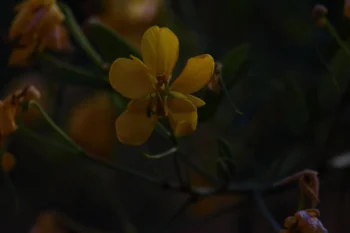
Argentine Senna: A Bright Yellow Bloomer for Warm Climate Gardens
If you’re looking for a cheerful shrub that brings sunny yellow flowers to your garden without demanding too much attention, Argentine senna (Senna corymbosa) might catch your eye. This South American native has made itself at home in several U.S. states, offering gardeners an easy-care option for adding tropical flair to their landscapes.
What is Argentine Senna?
Argentine senna is a perennial shrub that typically grows as a multi-stemmed woody plant, usually staying under 13-16 feet tall. Originally from Argentina, Uruguay, and southern Brazil, this plant has established itself in warmer parts of the United States. You might also see it listed under its former scientific names, including Cassia corymbosa or Cassia bonariensis, if you’re browsing older gardening references.
Where Does Argentine Senna Grow?
In the United States, you’ll find Argentine senna growing in Florida, Georgia, Louisiana, Massachusetts, Mississippi, South Carolina, and Texas. As a non-native species, it has naturalized in these areas and can reproduce on its own without human intervention.
- Species observed
- No observations
Why Consider Argentine Senna for Your Garden?
Argentine senna brings several appealing qualities to the landscape:
- Bright yellow flowers: Clusters of cheerful yellow blooms provide color and visual interest
- Attractive foliage: Compound leaves with small leaflets create a delicate, tropical appearance
- Low maintenance: Once established, this shrub requires minimal care
- Pollinator friendly: The bright flowers attract bees, butterflies, and other beneficial insects
- Drought tolerant: Can handle dry conditions once its root system is established
Growing Conditions and Care
Argentine senna thrives in USDA hardiness zones 8b through 11, making it suitable for gardeners in warmer climates. In cooler areas within its range, it may experience frost damage during particularly cold winters.
For best results, plant Argentine senna in:
- Light: Full sun to partial shade
- Soil: Well-draining soil of various types
- Water: Regular watering when young, drought tolerant once established
Planting and Maintenance Tips
Argentine senna is refreshingly easy to grow. Here’s how to help it thrive:
- Choose a location with good drainage to prevent root problems
- Water regularly during the first growing season to help establish roots
- Prune occasionally to maintain desired shape and size
- Apply mulch around the base to conserve moisture and suppress weeds
Garden Design Ideas
Argentine senna works well in several landscape settings:
- Border plantings: Use as a backdrop for shorter plants
- Foundation plantings: Soften building lines with its natural form
- Butterfly gardens: Include it for its pollinator-attracting flowers
- Low-maintenance landscapes: Perfect for gardeners wanting color without constant care
Native Alternatives to Consider
While Argentine senna can be a lovely addition to warm-climate gardens, you might also consider native alternatives that provide similar benefits while supporting local ecosystems. Depending on your region, native senna species like wild senna (Senna hebecarpa) or partridge pea (Chamaecrista fasciculata) offer yellow flowers and support native wildlife.
The Bottom Line
Argentine senna offers gardeners in warm climates an easy-care shrub with cheerful yellow flowers and attractive foliage. While it’s not native to the United States, it can be a reasonable choice for gardeners seeking low-maintenance color. Just remember to balance non-native selections with native plants that support local wildlife and ecosystems. Whether you choose Argentine senna or explore native alternatives, you’ll be adding valuable pollinator habitat and sunny color to your garden space.