Aristea: A Striking Blue Beauty for Warm Climate Gardens
If you’re looking to add a splash of vibrant blue to your garden, you might have stumbled upon aristea – a perennial that’s been making waves in warm climate landscapes. This eye-catching plant brings a touch of exotic flair to gardens, but there are some important things to know before you decide whether it’s right for your space.
What Exactly is Aristea?
Aristea (pronounced ah-RIS-tee-ah) is a perennial forb that belongs to the iris family. Think of it as a cousin to your garden irises, but with its own unique personality. As a forb, it’s essentially a flowering plant that doesn’t develop woody stems – it stays soft and herbaceous throughout its life.
This plant has made itself at home in Hawaii, where it grows as a non-native species that reproduces on its own in the wild. While it’s not originally from the islands, it’s found a way to thrive in the tropical climate.
- Species observed
- No observations
The Visual Appeal
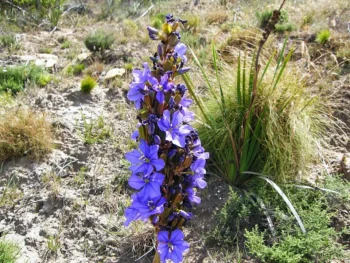
What makes aristea so appealing to gardeners is its striking appearance. The plant produces clusters of small, typically blue to purple flowers that create a beautiful contrast against its sword-like foliage. The architectural form of the leaves adds structural interest to gardens even when the plant isn’t blooming.
Where Aristea Fits in Your Garden
Aristea works wonderfully as:
- An accent plant in mixed borders
- A specimen plant in containers
- Part of a Mediterranean or drought-tolerant landscape design
- An addition to rock gardens where good drainage is key
The plant’s upright growth habit and colorful blooms make it excellent for adding vertical interest and pops of color to garden beds.
Growing Conditions and Care
If you’re in USDA hardiness zones 9-11, aristea might be worth considering for your garden. Here’s what this plant prefers:
- Sunlight: Full sun exposure for the best flowering
- Soil: Well-draining soil is absolutely essential – aristea hates wet feet
- Water: Moderate watering, with good drought tolerance once established
- Climate: Warm temperatures year-round
Planting and Care Tips
Getting aristea established in your garden is relatively straightforward:
- Plant in spring when the weather has warmed up
- Ensure your planting site has excellent drainage – consider raised beds or containers if your soil is heavy
- Water regularly during the first growing season to help establish roots
- Once established, reduce watering frequency
- Deadhead spent flowers to encourage continued blooming
- In colder areas within its range, provide some protection during cooler months
Pollinator Benefits
One of the nice perks of growing aristea is its appeal to pollinators. The colorful flowers attract bees and butterflies, making it a contributor to your garden’s ecosystem.
Should You Plant Aristea?
Since aristea is non-native to North America, you might want to consider native alternatives that provide similar aesthetic appeal while supporting local ecosystems. If you’re in Hawaii, look for native plants that offer blue or purple flowers and similar architectural interest.
That said, if you’re drawn to aristea’s unique beauty and live in an appropriate climate zone, it can be a lovely addition to the right garden setting. Just be sure you can provide the well-draining conditions it needs to thrive.
The Bottom Line
Aristea brings undeniable beauty to warm climate gardens with its striking blue flowers and architectural form. While it requires specific growing conditions – particularly excellent drainage – it rewards gardeners with colorful blooms and pollinator activity. Whether you choose to grow it or opt for native alternatives, understanding what this plant needs will help you make the best decision for your garden space.