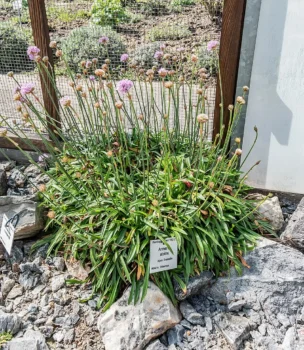
Armeria alpina: The Charming Alpine Thrift for Rock Gardens
If you’ve ever dreamed of bringing a touch of European alpine magic to your garden, Armeria alpina might just be the plant to make those dreams come true. This petite perennial, also known by its synonym Armeria maritima ssp. alpina, is a true mountain dweller that’s perfectly content living life on the rocky side.
What Makes Armeria alpina Special?
Picture this: tight cushions of narrow, grass-like leaves topped with adorable globe-shaped flower heads that dance on slender stems like tiny pink pom-poms. That’s Armeria alpina in all its alpine glory! The flowers typically range from soft pink to pristine white, creating a delightful display that’s both charming and understated.
This little beauty forms compact, low-growing mounds that rarely exceed 6 inches in height, though the flower stems can stretch up to 8 inches tall when they’re feeling ambitious. Don’t expect rapid expansion though – alpine plants tend to take their sweet time, growing slowly but surely into perfectly formed specimens.
Where Does It Come From?
Armeria alpina hails from the high-altitude regions of European mountains, particularly making itself at home in the Alps, Pyrenees, and other mountainous areas where the air is thin and the growing season is short. It’s adapted to life above the treeline, where conditions can be harsh but the views are spectacular.
Is This Plant Right for Your Garden?
Here’s the thing about Armeria alpina – it’s not native to North America, so if you’re committed to a purely native garden, this European import won’t make the cut. However, it’s not considered invasive either, so you won’t be contributing to ecological mayhem by planting it. If you do choose to grow it, consider pairing it with native alternatives like wild bergamot or native sedums to support local wildlife.
That said, this plant does offer some lovely benefits:
- Attracts butterflies, bees, and other small pollinators with its nectar-rich blooms
- Extremely drought tolerant once established
- Deer resistant (they apparently have no interest in alpine cushions)
- Low maintenance and long-lived
Perfect Garden Situations
Armeria alpina absolutely shines in:
- Rock gardens where it can nestle between stones
- Alpine and scree gardens designed to mimic mountain conditions
- Container gardens, especially in troughs or shallow pots
- As edging along pathways in dry, sunny locations
- Drought-tolerant landscapes where water conservation is key
Growing Conditions and Care
Think mountain living and you’ll understand what this plant needs. Armeria alpina thrives in USDA hardiness zones 3-7, so it can handle some serious cold but might struggle in hot, humid climates.
Here’s your recipe for success:
- Soil: Well-draining is non-negotiable! Sandy, gravelly, or rocky soil works best. Heavy clay will likely spell disaster.
- Sun: Full sun is preferred, though it can tolerate light shade
- Water: Drought tolerant once established, but appreciates occasional deep watering during extreme dry spells
- Drainage: Cannot be overstated – soggy soil is this plant’s kryptonite
Planting and Maintenance Tips
Spring is your best bet for planting Armeria alpina. Choose a spot with excellent drainage – if water pools there after rain, keep looking! Dig in some coarse sand or fine gravel if your soil needs help with drainage.
Once established, this little trooper needs minimal fussing. Deadhead spent flowers to encourage more blooms, and that’s about it for regular maintenance. No need for fertilizing – in fact, rich soil might make it grow too lush and lose its compact, alpine character.
The biggest threat to Armeria alpina isn’t cold, drought, or even deer – it’s wet feet. Make sure that drainage stays sharp, especially during wet winters.
The Bottom Line
Armeria alpina is a delightful choice for gardeners who appreciate understated beauty and low-maintenance plants. While it won’t support native wildlife as much as indigenous species would, it offers unique alpine charm and reliable performance in challenging, dry conditions. If you’re creating a rock garden or alpine-themed space, this European mountain dweller could be just the ticket – as long as you can provide the excellent drainage it craves!