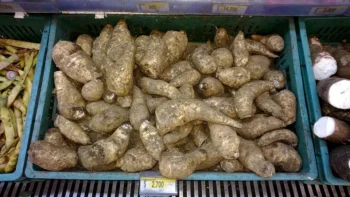
Arracacha: The Andean Root Vegetable Finding Its Way into Tropical Gardens
Ever heard of arracacha? Don’t worry if you haven’t – this South American root vegetable is still relatively unknown to most North American gardeners, but it’s quietly making its way into tropical and subtropical food gardens. Known botanically as Arracacia xanthorrhiza, this perennial plant offers an intriguing option for adventurous gardeners looking to diversify their edible landscapes.
What Exactly Is Arracacha?
Arracacha is a perennial root vegetable that belongs to the carrot family. You might also see it listed under its botanical synonym, Arracacia esculenta. The plant produces attractive, feathery foliage that resembles a cross between parsley and carrots, topped with small white umbel flowers that have a delicate, lacy appearance.
What makes arracacha special is its cluster of starchy, cream-colored tubers that develop underground. These roots have been a staple food in the Andes for centuries, prized for their nutty flavor and nutritional value.
Native Status and Where It Grows
Here’s something important to know upfront: arracacha is not native to North America. This plant originates from the Andean regions of South America, including Colombia, Ecuador, Peru, and Bolivia. In the United States, it has established itself in Puerto Rico, where it reproduces naturally without human intervention.
Currently, arracacha is found growing in Puerto Rico, where the tropical climate suits its needs perfectly.
- Species observed
- No observations
Should You Grow Arracacha in Your Garden?
The decision to grow arracacha depends on your gardening goals and location. Since it’s not native to mainland North America, you might want to consider native alternatives first. However, if you’re passionate about edible landscaping and live in a suitable climate zone, arracacha can be an interesting addition to your garden.
Reasons you might want to grow it:
- Unique, nutritious root vegetable for culinary experimentation
- Attractive foliage adds texture to edible landscapes
- Long-lived perennial that doesn’t need replanting annually
- Small flowers may attract beneficial insects
Reasons you might skip it:
- Very long growing season (8-11 months) requires patience
- Limited to tropical and subtropical climates
- Non-native status means it doesn’t support local ecosystems like native plants do
- Can be challenging to source quality planting material
Native Alternatives to Consider
Before diving into arracacha cultivation, consider these native root vegetables that might serve similar purposes in your edible landscape:
- Wild ginger (various native Asarum species) for shaded areas
- Native onions (Allium species) for their edible bulbs and attractive flowers
- Jerusalem artichoke (Helianthus tuberosus) for sunny locations
Growing Conditions and Climate Needs
If you decide to grow arracacha, success depends on providing the right conditions. This plant thrives in USDA hardiness zones 9-11, making it suitable only for the warmest parts of the United States.
Ideal growing conditions include:
- Well-draining, fertile soil rich in organic matter
- Partial shade to full sun exposure
- Consistent moisture without waterlogging
- Warm temperatures year-round
- Protection from strong winds
Planting and Care Tips
Growing arracacha successfully requires understanding its unique needs and long timeline.
Getting Started:
- Source plants from root divisions or crowns rather than seeds
- Plant in early spring after the last frost
- Space plants 2-3 feet apart to allow for root development
- Prepare soil with plenty of compost or well-rotted manure
Ongoing Care:
- Maintain consistent soil moisture throughout the growing season
- Apply mulch to retain moisture and suppress weeds
- Side-dress with compost mid-season for continued nutrition
- Be patient – roots won’t be ready for harvest for 8-11 months
The Bottom Line
Arracacha offers an intriguing option for adventurous gardeners in tropical and subtropical climates who want to expand their edible plant palette. While it’s not native to North America and requires a significant time investment, it can be a rewarding addition to food forests and permaculture gardens.
Just remember that native plants should always be your first choice for supporting local wildlife and ecosystems. If you do decide to grow arracacha, consider it as part of a diverse garden that prioritizes native species while including a few carefully chosen non-native edibles for culinary adventure.
Whether you choose to grow this South American transplant or stick with native alternatives, the most important thing is creating a garden that brings you joy while supporting the local environment.