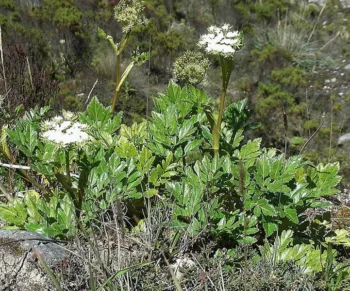
Arracacia: The Mysterious Andean Root Crop Finding Its Way to New Gardens
If you’ve stumbled across the name arracacia in your gardening adventures, you’re not alone in wondering what exactly this plant is all about. This perennial member of the carrot family has been quietly making its presence known in Puerto Rico and other warm regions, though it’s still quite the mystery to many North American gardeners.
What Exactly Is Arracacia?
Arracacia is a genus of plants that most people have never heard of, despite some species being important food crops in South America. These perennial plants are part of the same family as carrots, parsley, and celery, which explains their characteristic umbrella-shaped flower clusters and compound leaves.
In Puerto Rico, arracacia has established itself as a non-native species that reproduces on its own in the wild. While it’s not originally from the Caribbean, it has found the climate to its liking and naturalized successfully in the region.
- Species observed
- No observations
Should You Consider Growing Arracacia?
Here’s where things get interesting – and a bit complicated. Since arracacia isn’t native to most of North America, you might want to think twice before adding it to your garden, especially if you’re committed to supporting local ecosystems with native plants.
The Case Against Arracacia:
- It’s not native to most regions where people might want to grow it
- Limited information exists about its potential ecological impacts
- It doesn’t support local wildlife and pollinators as effectively as native alternatives
- Its growth habits and requirements aren’t well-documented for most climates
The Neutral Perspective:
- Currently not listed as invasive in most areas
- Could potentially serve as a unique food crop for adventurous gardeners
- May offer educational value for those interested in South American agriculture
Native Alternatives to Consider
Instead of arracacia, consider these native options that provide similar benefits:
- Wild ginger species – for interesting foliage and edible roots
- Native carrot family plants – like wild parsnip or native celery species
- Indigenous root vegetables – such as groundnut or wild potato species native to your region
If You Do Decide to Grow Arracacia
Should you choose to experiment with this unusual plant, here’s what little we know about growing it successfully:
Growing Conditions:
- Likely prefers warm, humid climates (zones 8-11)
- Probably needs consistent moisture without waterlogged conditions
- May prefer partial shade to full sun
- Soil requirements are not well-documented
Care Tips:
- Monitor closely for any signs of aggressive spreading
- Consider growing in containers to limit potential spread
- Research local regulations before planting
- Connect with other gardeners who may have experience with this plant
The Bottom Line
Arracacia remains something of an enigma in the gardening world. While it’s not currently flagged as problematic, the lack of information about its behavior outside its native range should give us pause. If you’re drawn to unusual plants, there are plenty of fascinating native species that could scratch that same itch while supporting your local ecosystem.
For most gardeners, especially those focused on native and ecological gardening, arracacia probably isn’t the best choice. But if you’re determined to experiment with this mysterious plant, proceed with caution and keep detailed records of how it behaves in your garden – you might be contributing valuable knowledge to the gardening community!