Arrowleaf Butterfly Pea: A Non-Native Ground Cover with Purple Charm
Looking for a low-maintenance ground cover that produces charming butterfly-shaped flowers? Meet the arrowleaf butterfly pea (Centrosema sagittatum), a perennial herb that’s been making its way into Florida gardens. While this plant isn’t a Florida native, it has established itself in the wild and offers some interesting benefits for gardeners willing to embrace a non-native option.
What Is Arrowleaf Butterfly Pea?
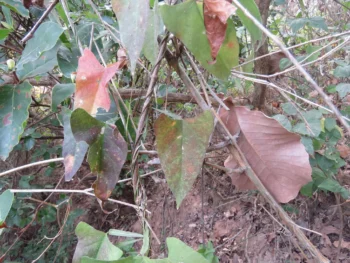
Centrosema sagittatum is what botanists call a forb herb – essentially a soft-stemmed perennial plant without woody tissue. Don’t let the technical term fool you; this is simply a low-growing plant that spreads along the ground, producing attractive heart-shaped leaves and purple-blue flowers that look remarkably like tiny butterflies.
Where Does It Come From?
Originally hailing from Central and South America and the Caribbean, arrowleaf butterfly pea has found its way to Florida, where it now grows wild. This non-native species has adapted well to Florida’s climate and reproduces on its own without human intervention.
- Species observed
- No observations
Why Might You Want (Or Not Want) This Plant?
Here’s the honest scoop on arrowleaf butterfly pea:
The Good Stuff:
- Produces lovely purple-blue flowers that attract butterflies and bees
- Works well as a ground cover in areas where grass struggles
- As a legume, it fixes nitrogen in the soil, potentially benefiting neighboring plants
- Requires minimal care once established
- Tolerates drought conditions well
Things to Consider:
- It’s not a native Florida plant, so it won’t support native wildlife ecosystems as effectively as indigenous species
- May spread more aggressively than desired in some garden settings
- Limited to warm climates (USDA zones 9-11)
Growing Arrowleaf Butterfly Pea Successfully
If you decide to give this plant a try, here’s how to help it thrive:
Growing Conditions:
- Sunlight: Full sun to partial shade (at least 6 hours of direct sunlight preferred)
- Soil: Well-draining soil; not too picky about soil type
- Water: Drought tolerant once established, but appreciates regular watering during establishment
- Climate: Best suited for USDA hardiness zones 9-11
Planting and Care Tips:
- Plant in spring after the last frost
- Space plants about 12-18 inches apart if using multiple plants
- Water regularly for the first few weeks until roots establish
- Once established, this plant is quite low-maintenance
- May benefit from occasional pruning to control spread
Best Uses in the Garden
Arrowleaf butterfly pea works well in:
- Butterfly and pollinator gardens
- Areas needing erosion control
- Ground cover applications where grass won’t grow
- Naturalized garden areas
- Container gardens (with regular pruning)
Consider Native Alternatives
While arrowleaf butterfly pea can be a useful garden plant, consider these native Florida alternatives that provide similar benefits while supporting local ecosystems:
- Partridge pea (Chamaecrista fasciculata) – another nitrogen-fixing legume with yellow flowers
- Wild sensitive plant (Chamaecrista nictitans) – low-growing native legume
- Beach pea (Vigna luteola) – native coastal ground cover
The Bottom Line
Arrowleaf butterfly pea can be a charming addition to Florida gardens, especially if you’re looking for a low-maintenance ground cover that attracts pollinators. While it’s not native to Florida, it’s not currently listed as invasive either. Just remember that choosing native plants whenever possible helps support local wildlife and maintains the natural balance of your regional ecosystem. If you do decide to grow arrowleaf butterfly pea, keep an eye on its spread and enjoy those delightful purple blooms!