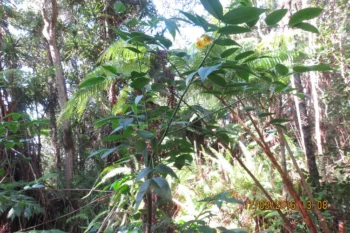
Arsenic Bush: A Tropical Shrub with a Mysterious Name
Don’t let the ominous name fool you – the arsenic bush (Senna septemtrionalis) isn’t actually toxic like its common name suggests. This tropical shrub, also known by the colorful monikers dooleyweed, kolomona, or laburnum, is a South American native that has found its way into gardens across warmer climates. But should you consider adding this perennial beauty to your landscape? Let’s dig into the details.
What Exactly Is Arsenic Bush?
Arsenic bush is a multi-stemmed woody shrub that typically stays under 13-16 feet tall, making it a manageable addition to most garden spaces. As a perennial, it’ll stick around year after year, developing a robust structure with several stems emerging from near ground level. The plant produces cheerful yellow flowers arranged in clusters, complemented by attractive compound leaves made up of multiple leaflets.
Where Does It Come From and Where Does It Grow?
Originally hailing from South America – particularly Argentina, Bolivia, and Paraguay – arsenic bush has traveled far from home. In the United States, you’ll find it growing in Hawaii and Puerto Rico, where it has established itself as a non-native species that reproduces on its own in the wild.
- Species observed
- No observations
The plant shows different preferences depending on location. In the Caribbean region, it’s considered an obligate upland species, meaning it almost never grows in wetlands. However, in Hawaii, it’s more flexible as a facultative upland plant, usually preferring dry areas but occasionally tolerating wetter conditions.
Garden Appeal and Landscape Role
From an aesthetic standpoint, arsenic bush brings several appealing qualities to the garden:
- Bright yellow flowers that attract bees and other pollinators
- Attractive compound foliage that adds texture
- Manageable size for most landscape applications
- Year-round presence as a perennial shrub
This shrub works well as a specimen plant or incorporated into mixed borders in tropical and subtropical gardens. It’s particularly suited for low-maintenance landscapes where you want reliable color and structure without constant fussing.
Growing Conditions and Care
Arsenic bush is refreshingly easy-going when it comes to growing requirements. It thrives in USDA hardiness zones 9-11, making it suitable for truly warm climates only. The plant prefers:
- Full sun to partial shade locations
- Well-draining soil (it doesn’t like wet feet)
- Minimal watering once established – it’s quite drought tolerant
- Occasional pruning to maintain size and shape
The low-maintenance nature makes it appealing for gardeners who want impact without intensive care requirements.
Should You Plant Arsenic Bush?
Here’s where things get a bit complex. While arsenic bush isn’t currently listed as invasive or noxious, it is a non-native species that has shown the ability to establish and spread on its own in Hawaii and Puerto Rico. This means it could potentially impact local ecosystems.
If you’re gardening in areas where this plant has naturalized, consider these factors:
- It may compete with native plants for resources
- Its long-term ecological impact isn’t fully understood
- Native alternatives might provide better support for local wildlife
Before planting arsenic bush, research native shrubs in your area that offer similar aesthetic qualities. Native plants typically require less water and maintenance while providing superior habitat and food sources for local pollinators and wildlife.
The Bottom Line
Arsenic bush is an attractive, easy-care shrub that can add tropical flair to warm-climate gardens. While it’s not considered invasive, its non-native status means thoughtful gardeners might want to explore native alternatives first. If you do choose to grow it, enjoy its cheerful yellow blooms and appreciate its low-maintenance nature – just keep an eye on any self-seeding behavior and consider the bigger picture of supporting local ecosystems in your gardening choices.