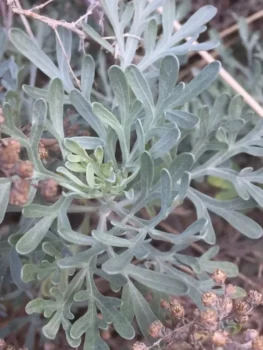
Artemisia thuscula: A Lesser-Known Member of the Artemisia Family
If you’ve stumbled upon the name Artemisia thuscula in your botanical wanderings, you’re not alone in wondering what exactly this plant is all about. This member of the Artemisia genus remains something of a botanical mystery, with limited information available about its characteristics and growing requirements.
What We Know About Artemisia thuscula
Artemisia thuscula belongs to the diverse Artemisia genus, which includes well-known plants like sagebrush and wormwood. This particular species has been classified as a dicot and has at least one recorded synonym: Artemisia canariensis (Besser) Less., which suggests a possible connection to the Canary Islands region.
Unfortunately, detailed information about this species’ native range and distribution remains unclear from current botanical records.
The Challenge of Limited Information
Here’s where things get a bit tricky for us gardening enthusiasts. Unlike its more famous Artemisia cousins, specific details about Artemisia thuscula’s growing requirements, appearance, and garden performance are not readily available in standard horticultural references. This lack of information makes it difficult to provide concrete advice about cultivation.
What This Means for Gardeners
Given the limited information available, here are some considerations if you’re thinking about this plant:
- The lack of detailed horticultural information suggests this may not be a commonly cultivated species
- Without knowing its native status or invasive potential, it’s difficult to recommend for garden use
- Its rarity in cultivation might indicate specialized growing requirements that aren’t well-documented
Alternative Artemisia Options
If you’re interested in the Artemisia genus but finding limited information about A. thuscula frustrating, consider these better-documented alternatives:
- Native artemisia species appropriate for your region
- Well-researched cultivars with known growing requirements
- Species with documented wildlife and pollinator benefits
The Bottom Line
Artemisia thuscula remains an enigmatic member of its genus. Without clear information about its growing requirements, native status, or garden performance, it’s challenging to make specific recommendations. If you’re considering this plant, you might want to explore more thoroughly documented Artemisia species that can provide the aesthetic and ecological benefits you’re seeking in your garden.
Sometimes the most responsible approach to gardening is acknowledging when we simply don’t have enough information to make informed recommendations – and this appears to be one of those cases with Artemisia thuscula.