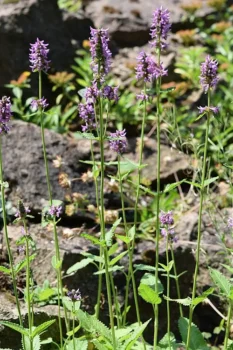
Artichoke Betony: A Curious Edible Addition to Your Garden
Ever heard of a plant that produces little underground treasures that look like tiny artichokes? Meet artichoke betony (Stachys affinis), a quirky perennial that’s been quietly making its way into adventurous gardeners’ plots. This unusual herb offers both edible tubers and delicate flowers, making it a conversation starter in any garden.
What Exactly Is Artichoke Betony?
Artichoke betony is a herbaceous perennial forb that belongs to the mint family. You might also see it listed under its synonyms Stachys sieboldii or Stachys tuberifera in older gardening references. Native to China, this plant has found its way to various parts of the world, including New York in the United States, where it now grows and reproduces on its own.
The plant produces segmented, spiral-shaped tubers underground that are completely edible and have a sweet, crunchy texture reminiscent of water chestnuts. Above ground, it sends up modest spikes of small white to pale pink tubular flowers that bloom in late summer.
Geographic Distribution and Status
While artichoke betony has established itself in New York, it remains relatively uncommon across most of the United States. As a non-native species that can reproduce without human intervention, it’s worth noting that this plant isn’t considered invasive or problematic at this time.
- Species observed
- No observations
Should You Grow Artichoke Betony?
This plant appeals to gardeners who love trying unusual edibles and don’t mind a bit of experimentation. Here are some reasons you might want to give it a try:
- Unique edible tubers with a sweet, crispy texture
- Attractive flowers that provide nectar for bees and small pollinators
- Easy to grow once established
- Interesting conversation piece for garden tours
However, since artichoke betony isn’t native to North America, you might also consider native alternatives that provide similar benefits to local ecosystems. Native members of the mint family or other edible native plants could offer comparable interest while supporting local wildlife more effectively.
Growing Conditions and Care
Artichoke betony thrives in USDA hardiness zones 4-8, making it suitable for much of the northern and central United States. Here’s what this plant needs to flourish:
- Soil: Moist, well-draining soil that doesn’t get waterlogged
- Light: Partial shade to full sun (morning sun with afternoon shade works well)
- Water: Consistent moisture during the growing season, but not soggy conditions
- Climate: Prefers cool, humid conditions
Planting and Care Tips
Getting started with artichoke betony is surprisingly straightforward:
- Plant tubers in spring after the last frost, spacing them about 6 inches apart
- Plant tubers about 2 inches deep in prepared soil
- Keep soil consistently moist but not waterlogged throughout the growing season
- Mulch around plants to help retain moisture and suppress weeds
- Allow foliage to die back naturally in fall before harvesting tubers
Harvest and Use
The real reward comes in fall when you can carefully dig up those peculiar spiral tubers. They’re best harvested after the foliage has died back, typically in late fall. The tubers can be eaten raw in salads, pickled, stir-fried, or added to soups and stews. Their crisp texture and mildly sweet flavor make them quite versatile in the kitchen.
The Bottom Line
Artichoke betony offers something truly different for adventurous gardeners willing to try unusual edibles. While it’s not native to North America, it doesn’t appear to pose significant ecological concerns at this time. If you’re looking to expand your edible garden with something unique, this quirky plant might just earn a spot in your herb or kitchen garden. Just remember to also make room for native plants that support local ecosystems – they’ll appreciate the company!