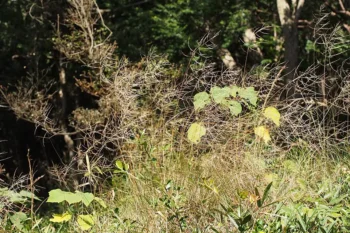
Arundinella hirta: A Lesser-Known Grass with Limited Garden Information
If you’ve stumbled across the name Arundinella hirta in your plant research, you’re likely wondering what exactly this grass is and whether it belongs in your garden. Well, you’re not alone in your curiosity – this is one of those plants that seems to fly under the radar, with surprisingly little information available for home gardeners.
What We Know About Arundinella hirta
Arundinella hirta is a graminoid, which is simply a fancy way of saying it’s a grass or grass-like plant. You might also see it listed under its botanical synonym, Arundinella anomala Steud., though both names refer to the same species. Beyond these basic facts, the details get pretty sparse when it comes to practical gardening information.
The Geographic Mystery
Here’s where things get interesting (and a bit frustrating for curious gardeners): the native range and current distribution of Arundinella hirta aren’t well-documented in readily available sources. This makes it difficult to determine whether this grass would even be appropriate for North American gardens, let alone whether it’s invasive or beneficial.
Why This Matters for Your Garden
When a plant lacks clear documentation about its native status, growing requirements, and ecological impact, it raises some red flags for responsible gardeners. Here’s why you might want to think twice about seeking out Arundinella hirta:
- Unknown invasive potential in your region
- Unclear growing requirements make success unlikely
- No documented benefits for pollinators or wildlife
- Difficulty sourcing from reputable native plant suppliers
Better Alternatives for Your Landscape
Instead of gambling on a plant with so many unknowns, consider these well-documented native grass alternatives that can provide beauty and ecological benefits:
- Little bluestem (Schizachyrium scoparium) – drought-tolerant with gorgeous fall color
- Buffalo grass (Poaceae dactyloides) – perfect for low-maintenance lawns in dry climates
- Purple needlegrass (Stipa pulchra) – California’s state grass with elegant, flowing form
- Big bluestem (Andropogon gerardii) – a prairie powerhouse that supports wildlife
The Bottom Line
While Arundinella hirta might sound intriguing, the lack of available information makes it a risky choice for home gardeners. Without knowing its native range, growing requirements, or potential ecological impact, you’re essentially conducting an experiment in your landscape – and that experiment could have unintended consequences.
Your garden will be far more successful and environmentally beneficial when you choose well-documented native plants suited to your specific region. These plants come with established growing guides, known wildlife benefits, and the peace of mind that comes from supporting local ecosystems.
If you’re drawn to the idea of incorporating grasses into your landscape, reach out to your local native plant society or extension office. They can recommend grasses that are not only proven performers in your area but also provide real benefits to local wildlife and pollinators. Your garden – and your local ecosystem – will thank you for making that informed choice.