Ashy Cinquefoil: A European Wildflower That’s Made Itself at Home
If you’ve ever wondered about those cheerful little yellow flowers popping up in disturbed soils and meadow edges across North America, you might be looking at ashy cinquefoil (Potentilla inclinata). This unassuming perennial has quite the story – it’s a European native that’s packed its bags and settled into new neighborhoods across Canada and the United States.
What Exactly Is Ashy Cinquefoil?
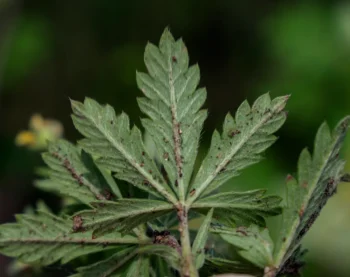
Ashy cinquefoil is a perennial forb, which is just a fancy way of saying it’s a non-woody plant that comes back year after year. You might also see it listed under its synonyms Potentilla canescens or Potentilla intermedia var. canescens in older gardening references. The ashy part of its name comes from its distinctive silvery-gray foliage, which gets its color from a coating of fine hairs that give the leaves a soft, fuzzy appearance.
Where You’ll Find It Growing Wild
This adaptable little plant has established itself across a surprising range of North American locations. You can find ashy cinquefoil growing wild in several Canadian provinces including Nova Scotia, Ontario, Prince Edward Island, and Quebec. In the United States, it’s made itself comfortable in Connecticut, Illinois, Indiana, Massachusetts, Michigan, New York, North Carolina, Ohio, Pennsylvania, Vermont, Washington, and Wisconsin.
- Species observed
- No observations
What Does It Look Like?
Ashy cinquefoil produces small, bright yellow flowers with five petals – typical of the cinquefoil family. The real showstopper, though, is its silvery-gray foliage that creates a lovely contrast in the garden. The plant stays relatively low-growing and spreads to form patches, making it useful as a ground cover in the right conditions.
Should You Grow Ashy Cinquefoil in Your Garden?
Here’s where things get interesting. While ashy cinquefoil isn’t classified as invasive or noxious, it’s definitely not a North American native. This European immigrant has proven quite good at making itself at home, spreading readily by seed and establishing in disturbed soils.
The Case for Growing It:
- Extremely low maintenance once established
- Drought tolerant and adaptable to poor soils
- Provides nectar for small bees and flies
- Attractive silvery foliage adds texture to plantings
- Good for naturalizing in informal garden areas
Things to Consider:
- Can self-seed aggressively in favorable conditions
- May outcompete native wildflowers
- Not particularly showy compared to other garden plants
Growing Conditions and Care
If you decide to give ashy cinquefoil a try, you’ll find it refreshingly undemanding. This tough little plant thrives in USDA hardiness zones 3-7 and prefers full sun with well-drained soil. It’s actually quite drought tolerant once established, making it a good choice for challenging spots in your garden.
The plant does best in average to poor soils – rich, fertile ground might actually make it grow too enthusiastically. It’s perfect for rock gardens, meadow plantings, or areas where you want a naturalized look without much fuss.
Planting and Maintenance Tips
Ashy cinquefoil is about as low-maintenance as plants get. Once established, it pretty much takes care of itself. You can start it from seed in spring or fall, though be aware that it may self-seed more than you bargained for. If you’re concerned about spread, deadhead the flowers before they set seed.
The plant doesn’t need fertilizing and actually prefers lean conditions. Water it during establishment, but after that, it can handle drought like a champ.
A Word About Native Alternatives
While ashy cinquefoil isn’t harmful to grow, you might consider native alternatives that provide similar benefits while supporting local ecosystems. Native cinquefoils like Potentilla simplex (common cinquefoil) or Potentilla canadensis (dwarf cinquefoil) offer comparable flowers and growth habits while providing better support for native wildlife.
The Bottom Line
Ashy cinquefoil is one of those plants that won’t win any garden beauty contests, but it has its place for gardeners looking for tough, adaptable ground covers. If you’re planning a low-maintenance naturalized area or need something for a challenging spot, it might fit the bill. Just be prepared for its enthusiastic self-seeding habits, and consider whether a native alternative might better serve both your garden and local wildlife.