Asia Minor Bluegrass: A Little-Known Annual Grass for Your Garden
If you’ve stumbled across the name Asia Minor bluegrass (Polypogon fugax), you might be wondering whether this delicate annual grass deserves a spot in your garden. While it’s not the showiest plant you’ll encounter, this unassuming grass has some interesting characteristics that make it worth understanding, especially if you’re curious about lesser-known species or working with challenging growing conditions.
What Exactly is Asia Minor Bluegrass?
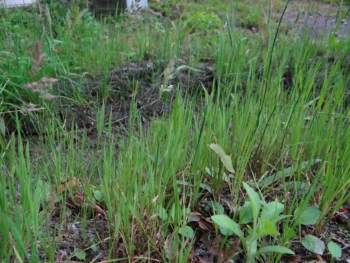
Asia Minor bluegrass is an annual grass that completes its entire life cycle in just one growing season. Don’t let the bluegrass part of its name fool you – it’s not related to the familiar Kentucky bluegrass in your lawn. This is a much more delicate, wispy grass that forms loose tufts and produces silvery, fluffy seed heads that catch the light beautifully when mature.
As its common name suggests, this grass originally hails from Asia Minor and the broader Mediterranean region. However, it has made its way to various parts of the world, including Hawaii, where it has established itself as a non-native species that reproduces on its own in the wild.
Where Does It Grow?
In the United States, Asia Minor bluegrass is primarily found in Hawaii, where it has adapted well to local conditions. The plant shows interesting flexibility when it comes to moisture – in drier western regions, it typically grows in upland areas, while in Hawaii, it more commonly appears in wetland environments.
- Species observed
- No observations
Should You Plant It in Your Garden?
Here’s where things get a bit nuanced. Asia Minor bluegrass isn’t considered invasive or problematic, but it’s also not a native species. If you’re drawn to its delicate appearance and adaptability, there’s no major reason to avoid it. However, if you’re passionate about supporting local ecosystems, you might want to consider native grass alternatives instead.
This grass works best in:
- Naturalized meadow areas
- Spots with poor or disturbed soil
- Areas that experience variable moisture conditions
- Low-maintenance landscape zones
Growing Conditions and Care
One of Asia Minor bluegrass’s selling points is its adaptability. This little grass isn’t particularly fussy about soil quality and can handle both wet and relatively dry conditions, though it seems to prefer areas with at least some moisture.
Since it’s an annual, you won’t need to worry about USDA hardiness zones in the traditional sense – it will grow wherever conditions allow during the growing season and then set seed before dying back.
Care requirements are minimal:
- Plant in spring after frost danger passes
- Water occasionally during dry spells
- Allow plants to set seed if you want them to return next year
- No fertilization typically needed
Wildlife and Pollinator Value
As a wind-pollinated grass, Asia Minor bluegrass doesn’t offer much in the way of nectar or pollen for bees and butterflies. However, like many grasses, it may provide some habitat value for small creatures and its seeds could potentially feed ground-feeding birds.
Native Alternatives to Consider
If you’re intrigued by the idea of incorporating delicate annual grasses into your landscape but prefer native options, research native grass species in your area. Many regions have beautiful native annual grasses that provide similar aesthetic appeal while supporting local wildlife and ecosystems.
The Bottom Line
Asia Minor bluegrass is a perfectly harmless little grass that can add texture and movement to naturalized areas. While it won’t be the star of your garden show, it might find a place in low-maintenance, meadow-style plantings. Just remember that supporting native species when possible is always a great choice for both your local ecosystem and the wildlife that depends on it.