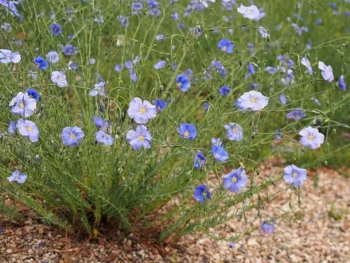
Asian Flax: A Delicate Blue Beauty for Your Garden
If you’re searching for a charming perennial that brings a splash of sky-blue color to your garden without demanding much fuss, Asian flax (Linum austriacum) might just catch your eye. This slender beauty has been quietly making its way into North American gardens, though it’s worth knowing a bit about its story before you decide if it belongs in yours.
What Exactly Is Asian Flax?
Asian flax is a delicate perennial forb – basically a non-woody flowering plant that comes back year after year. Originally hailing from the mountains of Europe and western Asia, this plant has found its way to North America and now grows wild in parts of Ontario, Canada. While it’s not a native species here, it has established itself as a naturalized resident that reproduces on its own.
You might occasionally see it listed under its synonym Linum perenne var. austriacum, but don’t let the scientific names confuse you – we’re talking about the same lovely plant.
- Species observed
- No observations
Why Gardeners Fall for This Flax
There’s something undeniably charming about Asian flax’s simple elegance. Here’s what makes it appealing:
- Delicate blue to purple flowers, each about an inch across with five silky petals
- Blooms from late spring through early summer, creating a soft, airy display
- Slender stems and narrow leaves give it a graceful, almost ethereal appearance
- Attracts bees, butterflies, and other beneficial pollinators to your garden
- Extremely low-maintenance once established
- Drought-tolerant, making it perfect for water-wise gardening
Where Asian Flax Shines in Your Landscape
This adaptable plant works beautifully in several garden settings:
- Cottage gardens: Its informal, naturalized look fits perfectly with the relaxed cottage garden style
- Rock gardens: Thrives in the well-draining conditions that rock gardens provide
- Wildflower meadows: Creates lovely drifts of blue when allowed to self-seed
- Border plantings: Provides a soft, textural contrast to bolder perennials
- Xerophytic landscapes: Excellent choice for drought-tolerant garden designs
Growing Asian Flax Successfully
One of Asian flax’s greatest charms is how easy it is to please. Here’s what this plant needs to thrive:
Growing Conditions
- Sunlight: Full sun for best flowering
- Soil: Well-draining soil is essential – it actually prefers poor to moderately fertile conditions
- Water: Drought-tolerant once established, but appreciates occasional watering during dry spells
- Climate: Hardy in USDA zones 3-8, so it can handle quite a range of conditions
Planting and Care Tips
- Start from seed in spring or fall – Asian flax grows easily from seed
- Space plants about 12-18 inches apart to allow for natural spreading
- Avoid overwatering or overly rich soils, which can lead to weak, floppy growth
- Deadhead spent flowers if you want to prevent self-seeding, or leave them if you enjoy the naturalized look
- Minimal fertilizing needed – this plant actually prefers lean conditions
A Word About Native Alternatives
While Asian flax is a lovely plant that doesn’t appear to cause ecological problems, you might want to consider native alternatives that provide similar beauty while supporting local ecosystems. Some wonderful native options include wild bergamot (Monarda fistulosa) for purple-blue flowers, or native asters and goldenrods for late-season color and pollinator support.
The Bottom Line
Asian flax offers gardeners a low-maintenance way to add delicate blue flowers and pollinator appeal to their landscapes. While it’s not a native species, it doesn’t appear to be invasive or problematic. If you’re drawn to its simple beauty and easy-care nature, it can certainly earn a place in your garden – just consider pairing it with native plants to create a more ecologically beneficial landscape overall.
Whether you’re creating a cottage garden, establishing a drought-tolerant landscape, or simply want something pretty that won’t demand much attention, Asian flax delivers quiet charm with minimal effort required on your part.