Asian Melastome: A Tropical Flowering Shrub for Warm Climate Gardens
If you’re looking to add some tropical flair to your warm-climate garden, you might have come across the Asian melastome (Melastoma candidum). This perennial flowering shrub brings a splash of color to landscapes, but there are some important things to consider before adding it to your garden.
What is Asian Melastome?
Asian melastome is a multi-stemmed woody shrub that typically grows between 4-5 meters (13-16 feet) tall, though it can sometimes reach greater heights depending on growing conditions. True to its shrub nature, it develops several stems from near the ground, creating a bushy, full appearance that makes it an eye-catching addition to any landscape.
This plant goes by its botanical name Melastoma candidum, and while it may have other common names in different regions, Asian melastome is the most widely recognized moniker.
Where Does It Come From?
Originally native to Southeast Asia, including Malaysia and Thailand, Asian melastome has found its way to other warm climates around the world. In the United States, you’ll find it growing in Hawaii, where it has established itself as a non-native species that reproduces on its own in the wild.
- Species observed
- No observations
The Good, The Bad, and The Beautiful
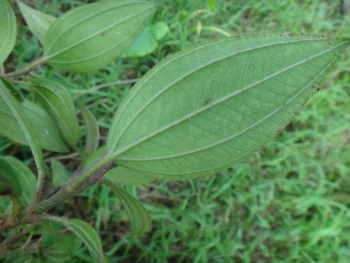
Let’s start with the beautiful – because Asian melastome certainly has aesthetic appeal! The plant produces lovely purple-pink flowers with five delicate petals that create a stunning display. Its dark green, oval-shaped leaves feature prominent veining that adds textural interest even when the plant isn’t in bloom.
From a practical gardening standpoint, Asian melastome can serve as an attractive specimen plant or work well in mixed shrub borders. It’s particularly suited for tropical and subtropical gardens where its love of warm, humid conditions can be satisfied.
Growing Conditions and Care
If you’re in USDA hardiness zones 10-11, you might be able to successfully grow Asian melastome. Here’s what this tropical beauty needs to thrive:
- Light: Partial shade to full sun (though some protection from intense afternoon sun is beneficial)
- Soil: Moist, well-draining soil
- Climate: Warm, humid conditions
- Water: Regular watering to maintain consistent soil moisture
Planting and Care Tips
Once established, Asian melastome is relatively low-maintenance, but here are some tips for success:
- Water regularly, especially during dry periods
- Prune occasionally after flowering to maintain shape and encourage new growth
- Protect from cold temperatures and frost
- Mulch around the base to help retain soil moisture
Environmental Considerations
Here’s where things get interesting from an ecological perspective. Asian melastome has a facultative wetland status in Hawaii, meaning it can grow in both wetland and non-wetland areas – making it quite adaptable. While its flowers do attract bees and other pollinators, which is beneficial, it’s worth noting that this is a non-native species.
The plant’s invasive status isn’t fully documented, so if you’re considering planting it, you might want to explore native alternatives that provide similar benefits without potential ecological concerns.
Native Alternatives to Consider
If you’re drawn to Asian melastome’s flowering beauty but want to support local ecosystems, consider researching native shrubs in your area that offer similar aesthetic appeal and pollinator benefits. Native plants are always the best choice for supporting local wildlife and maintaining ecological balance.
The Bottom Line
Asian melastome can be an attractive addition to warm-climate gardens, offering beautiful flowers and relatively easy care. However, as with any non-native plant, it’s worth weighing the benefits against potential ecological impacts. If you do choose to grow it, be a responsible gardener by monitoring its spread and considering native alternatives for future plantings.
Remember, the best gardens are those that balance personal enjoyment with environmental stewardship – and there are plenty of stunning native options that can provide the tropical look you’re after while supporting local ecosystems!