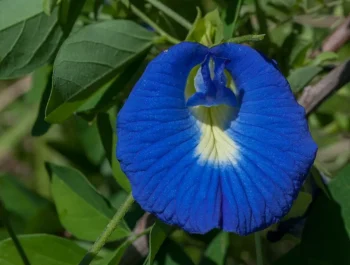
Asian Pigeonwings: The Blue Beauty That’s Not Quite Native
If you’ve ever spotted a vine covered in stunning blue butterfly-shaped flowers and wondered what magical plant could produce such vibrant blooms, you’ve likely encountered Asian pigeonwings (Clitoria ternatea). This eye-catching perennial has been making waves in gardens across warmer regions of the United States, and it’s easy to see why gardeners are drawn to its spectacular floral display.
What Exactly Are Asian Pigeonwings?
Asian pigeonwings are herbaceous flowering vines that belong to the legume family. As a forb herb, this plant lacks significant woody tissue but makes up for it with its impressive climbing ability and prolific flowering. The botanical name Clitoria ternatea might sound intimidating, but don’t let that scare you away from this relatively easy-to-grow beauty.
A Word About Origins
Here’s something important to know upfront: Asian pigeonwings aren’t actually native to North America. Originally from tropical Asia and Southeast Asia, this species has established itself across several U.S. states and territories where it reproduces spontaneously in the wild. You’ll find it growing in California, Florida, Georgia, Hawaii, Texas, as well as in Guam, Palau, Puerto Rico, and the Virgin Islands.
- Species observed
- No observations
While it’s not considered invasive in most areas where it grows, it’s worth considering native alternatives that can provide similar benefits to local ecosystems. Native climbing vines like American groundnut (Apios americana) or wild bean (Strophostyles helvola) can offer beautiful flowers while supporting local wildlife.
Why Gardeners Love Asian Pigeonwings
The appeal of Asian pigeonwings is undeniable. Here’s what makes this plant a garden favorite:
- Stunning flowers: The brilliant blue (and occasionally white) butterfly-shaped blooms are absolutely show-stopping
- Pollinator magnet: Bees, butterflies, and other beneficial insects flock to the nectar-rich flowers
- Edible blooms: The flowers are not only beautiful but also edible, often used to make blue tea or as colorful garnishes
- Fast growth: This vigorous grower quickly covers fences, trellises, or arbors
- Heat tolerance: Thrives in hot, humid conditions where other flowering vines might struggle
Garden Design and Landscape Use
Asian pigeonwings work wonderfully in several garden settings. They’re particularly suited for:
- Butterfly and pollinator gardens
- Edible landscaping projects
- Tropical or subtropical garden themes
- Container gardens with support structures
- Privacy screens when grown on fences or trellises
The vine can serve as both a vertical accent and ground cover, depending on how you train it. Its lush green foliage provides a beautiful backdrop for the striking flowers, making it an excellent choice for adding color and texture to garden spaces.
Growing Conditions and Care
One of the best things about Asian pigeonwings is how accommodating they are when it comes to growing conditions. Here’s what they prefer:
Light: Full sun to partial shade, though flowering is most abundant in full sun
Soil: Well-draining soil is essential. They’re not particularly picky about soil type but prefer slightly acidic to neutral pH
Water: Regular watering during establishment, but once mature, they’re quite drought-tolerant
Climate: Best suited for USDA hardiness zones 9-11, though they can be grown as annuals in cooler areas
Wetland Considerations
Asian pigeonwings typically prefer upland conditions and rarely occur in wetland areas. Across different regions, they’re classified as either Facultative Upland or Obligate Upland, meaning they usually grow in non-wetland environments. This makes them perfect for typical garden conditions where drainage is adequate.
Planting and Care Tips
Getting started with Asian pigeonwings is refreshingly straightforward:
- Starting from seed: Seeds are easy to germinate. Soak them overnight before planting for better germination rates
- Support structures: Provide a trellis, fence, or other support for the climbing habit
- Spacing: Plant about 3-4 feet apart to allow for spreading
- Pruning: Light pruning can encourage bushier growth and more flowers
- Fertilizing: As a legume, it fixes its own nitrogen, so avoid high-nitrogen fertilizers
The Bottom Line
Asian pigeonwings offer undeniable beauty and are relatively easy to grow, making them an attractive option for gardeners in suitable climates. However, since they’re non-native and can self-seed readily, it’s worth considering whether native alternatives might better serve your local ecosystem. If you do choose to grow Asian pigeonwings, enjoy their spectacular blooms while being mindful of their spreading tendencies, and perhaps dedicate some garden space to native climbing vines as well.
Whether you’re drawn to their vibrant blue flowers, their value to pollinators, or their potential as an edible garden addition, Asian pigeonwings certainly know how to make a statement in the landscape. Just remember to garden responsibly and consider the bigger ecological picture when making your plant choices.