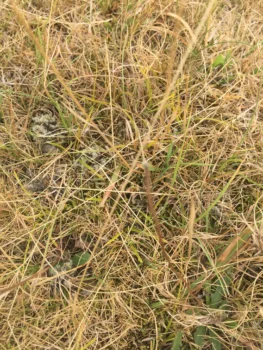
Asian Shortstem Sedge: What You Need to Know About This Uncommon Sedge
If you’ve stumbled across the name Asian shortstem sedge in your plant research, you’re not alone in wondering about this somewhat mysterious member of the sedge family. Also known as blue sedge, Carex breviculmis is a perennial grass-like plant that’s found its way into parts of the United States, though information about this particular species remains surprisingly scarce.
What Exactly Is Asian Shortstem Sedge?
Asian shortstem sedge (Carex breviculmis) belongs to the sedge family, making it a grass-like perennial that shares characteristics with other sedges, grasses, rushes, and similar plants. As its name suggests, this species originated in Asia and has been introduced to North America, where it now reproduces on its own in the wild.
Where Does It Grow?
Currently, Asian shortstem sedge has been documented growing in Mississippi, though its full range may be broader than what’s currently recorded. As with many introduced species, its distribution might expand over time as conditions allow.
- Species observed
- No observations
Should You Plant Asian Shortstem Sedge?
Here’s where things get a bit tricky. While this sedge isn’t currently listed as invasive or noxious, its non-native status and limited available information make it a questionable choice for most gardeners. When we don’t know much about a plant’s behavior, growing requirements, or potential impacts, it’s generally wiser to look for alternatives.
Better Native Alternatives
Instead of Asian shortstem sedge, consider these fantastic native sedge options:
- Pennsylvania sedge (Carex pensylvanica) – Perfect for woodland gardens and naturalized areas
- Buffalo grass sedge (Carex praegracilis) – Great for prairie-style landscapes
- Fox sedge (Carex vulpinoidea) – Excellent for rain gardens and wet areas
- Bladder sedge (Carex intumescens) – Wonderful for wildlife habitat
If You’re Determined to Grow Sedges
While we can’t provide specific care instructions for Asian shortstem sedge due to limited information, most sedges share some common preferences:
- Moist to moderately wet soil conditions
- Partial shade to full sun (varies by species)
- Cool-season growth patterns
- Low maintenance once established
However, without knowing this particular species’ hardiness zones, specific soil preferences, or mature size, you’d essentially be experimenting—which isn’t ideal for most garden situations.
The Bottom Line
Asian shortstem sedge remains something of an enigma in the gardening world. While it’s not flagged as problematic, the lack of readily available information about its characteristics, growing requirements, and garden performance makes it a less-than-ideal choice for most landscapes. Your garden—and local ecosystem—will likely benefit more from choosing well-documented native sedges that provide known benefits to wildlife and fit predictably into your landscape design.
When in doubt, go native! Your local native plant society or extension office can help you identify the best native sedge species for your specific region and growing conditions.