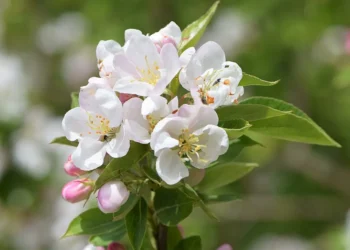
Asiatic Apple: A Charming Spring Bloomer for Your Garden
If you’re looking for a tree that puts on quite the spring show, the Asiatic apple (Malus spectabilis) might just catch your eye. Also known as Chinese crab or Chinese flowering apple, this ornamental tree brings a burst of color when most gardens are just waking up from winter’s slumber.
What Exactly Is an Asiatic Apple?
Despite its name, don’t expect to harvest pie-worthy apples from this beauty. The Asiatic apple is a perennial flowering tree that typically grows 13-16 feet tall, though it can sometimes develop a shorter, multi-stemmed form depending on growing conditions. It’s part of the apple family, but its small fruits are more for show than for snacking.
Where Does It Come From?
Originally from eastern Asia, particularly China, this non-native species has made itself at home in parts of the United States. Currently, it’s established in the District of Columbia, where it reproduces on its own without human assistance.
- Species observed
- No observations
Why You Might Want This Tree
The Asiatic apple really shines in spring when it’s covered in clusters of pink to white flowers that practically glow against the emerging green foliage. Here’s what makes it appealing:
- Stunning spring flower display that attracts bees and other pollinators
- Compact size perfect for smaller residential lots
- Ornamental fruits add visual interest later in the season
- Works beautifully as a specimen tree or in Asian-themed garden designs
- Hardy in USDA zones 4-8, handling both cold winters and warm summers
Growing Your Asiatic Apple Successfully
This tree isn’t particularly fussy, but giving it the right conditions will ensure the best performance:
Location and Light: Plant in full sun to partial shade. More sun generally means more flowers, but it can tolerate some shade gracefully.
Soil Needs: Well-drained soil is key. It’s not too picky about soil type, but soggy conditions are a no-go.
Watering: Regular watering during the first few years helps establish a strong root system. Once established, it’s fairly drought tolerant.
Care Tips: Annual pruning after flowering helps maintain shape and promotes healthy growth. Keep an eye out for common apple family diseases like fire blight or apple scab.
Things to Consider
While the Asiatic apple can be a lovely addition to the right garden, it’s worth noting that as a non-native species, it doesn’t provide the same ecological benefits as native plants. The flowers do attract pollinators, which is wonderful, but native alternatives might better support local wildlife throughout their entire life cycles.
If you’re interested in supporting local ecosystems, consider native alternatives like serviceberry (Amelanchier species) or native crabapples, which offer similar spring beauty while providing food and habitat for native birds and insects.
The Bottom Line
The Asiatic apple can be a charming addition to traditional gardens or spaces where you want that classic ornamental tree look. Its spring flower show is undeniably beautiful, and it’s relatively easy to grow. Just remember that choosing native plants when possible helps create a more resilient and wildlife-friendly landscape. Whether you go native or not, any tree that brings you joy and attracts pollinators is making a positive contribution to your garden ecosystem.