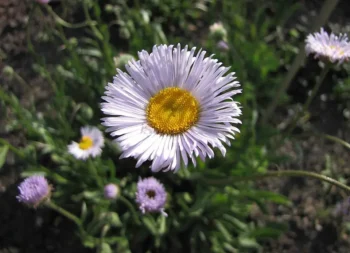
Aster caucasicus: The Mystery Plant That’s Hard to Pin Down
Ever stumbled across a plant name that seems to slip through your fingers like morning mist? Meet Aster caucasicus – a botanical enigma that’s as elusive as it sounds. If you’re scratching your head wondering whether this should be your next garden addition, you’re not alone!
What We Know (And What We Don’t)
Here’s the thing about Aster caucasicus – it’s like that friend who never quite shows up to the party. While the name suggests it might hail from the Caucasus region (that mountainous area between Europe and Asia), concrete information about this particular aster is surprisingly scarce in readily available botanical literature.
The botanical world is constantly evolving, and plant names sometimes change, get reclassified, or fall into obscurity. This might be one of those cases where the plant exists but flies under the radar of mainstream gardening resources.
Should You Plant It?
Without reliable information about Aster caucasicus’s growing requirements, native status, or potential invasive tendencies, it’s difficult to give you a definitive thumbs up or down. Here’s what we’d recommend:
- If you’ve encountered this plant name through a specialized nursery or botanical source, ask them for detailed growing information and native status
- Verify that it’s not an outdated name for a plant that’s been reclassified
- Consider well-documented aster alternatives that offer similar garden benefits
Better Aster Alternatives
While you’re hunting down more information about Aster caucasicus, why not consider some tried-and-true aster species that are well-documented and garden-friendly? Here are some stellar options:
- New England Aster (Symphyotrichum novae-angliae) – A native powerhouse with purple blooms
- Aromatic Aster (Symphyotrichum oblongifolium) – Drought-tolerant with masses of small flowers
- Smooth Blue Aster (Symphyotrichum laeve) – Elegant and easy-going
The Bottom Line
Sometimes the most honest advice is admitting when we need more information. Aster caucasicus appears to be one of those plants that needs a bit more detective work before we can confidently recommend it for your garden. If you’re determined to track it down, reach out to botanical gardens, specialized nurseries, or university extension offices – they might have the missing pieces of this puzzle.
In the meantime, there are plenty of well-documented asters waiting to bring late-season color and pollinator joy to your garden. Sometimes the best plant choice is the one you can actually find reliable information about!