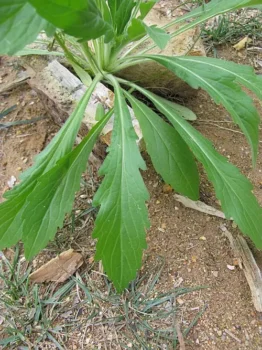
Asthmaweed (Conyza floribunda): What Every Gardener Should Know
If you’ve ever spotted a scrappy little plant with tiny white flowers growing along roadsides or in vacant lots, you might have encountered asthmaweed. Also known as hairy horseweed, this unassuming annual to biennial forb has quite the story to tell – though it’s probably not one that will make you want to rush out and plant it in your garden.
What Is Asthmaweed?
Asthmaweed (Conyza floribunda) is a non-native plant that originally hails from South America. Like many introduced species, it’s made itself quite at home in various parts of the United States, reproducing on its own and persisting without any help from us humans. You’ll find this hardy little survivor classified as a forb – essentially a soft-stemmed plant that lacks the woody tissue of shrubs and trees.
This annual to biennial plant produces small, inconspicuous white to pale yellow flowers arranged in dense, branching clusters. While the name asthmaweed might suggest some historical medicinal use, it’s worth noting that this plant is generally considered more of a roadside wanderer than a garden gem.
Where Does Asthmaweed Grow?
Currently, asthmaweed has established populations in Alabama, California, Georgia, Hawaii, Mississippi, Texas, Puerto Rico, and the U.S. Virgin Islands. It’s particularly fond of disturbed areas – those spots where the soil has been churned up by construction, foot traffic, or other activities.
- Species observed
- No observations
Should You Plant Asthmaweed in Your Garden?
Here’s where we need to have an honest conversation. While asthmaweed isn’t officially classified as invasive or noxious, it’s not exactly what you’d call garden-worthy either. This scrappy survivor tends to show up uninvited rather than being deliberately planted, and there’s a good reason for that.
The case against planting asthmaweed:
- Limited ornamental value – those tiny flowers aren’t winning any beauty contests
- Weedy growth habit that can look messy in cultivated spaces
- Tendency to self-seed aggressively in disturbed soils
- Better native alternatives are available for any ecological niche it might fill
Growing Conditions and Care
If asthmaweed does decide to take up residence in your yard (and trust us, it probably won’t ask permission first), you’ll find it’s remarkably unfussy about growing conditions. This plant thrives in poor, disturbed soils and can handle drought conditions that would make other plants wilt in defeat.
It prefers full sun and well-draining soils, though it’s not particularly picky. You’re more likely to find yourself trying to remove it than cultivate it, especially if it starts popping up where you don’t want it.
Better Native Alternatives
Instead of asthmaweed, consider these native alternatives that provide similar ecological benefits while supporting local wildlife:
- Native asters – Offer beautiful fall blooms and excellent pollinator support
- Goldenrod species – Spectacular late-season color and crucial pollinator habitat
- Native fleabanes – Small daisy-like flowers that actually look good in the garden
- Wild bergamot – Fragrant foliage and flowers that bees absolutely love
The Bottom Line
While asthmaweed certainly has its place in the grand scheme of plant diversity, that place probably isn’t in your carefully planned garden. This South American native may be tough as nails, but it lacks the ornamental appeal and ecological benefits of our wonderful native alternatives.
If you’re looking to support local wildlife and create a beautiful landscape, focus your energy on native species that have co-evolved with local pollinators and birds. Your garden – and your local ecosystem – will thank you for it.
Remember, the best gardens work with nature rather than against it, and choosing plants that belong in your local environment is one of the most important steps you can take toward creating a thriving, sustainable landscape.