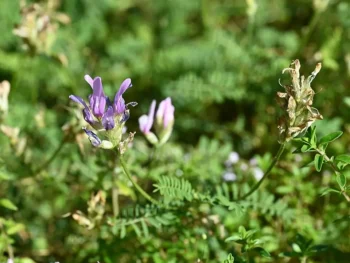
Astragalus captiosus: A Mysterious Milkvetch Worth Knowing About
If you’ve stumbled across the name Astragalus captiosus in your plant research, you’ve discovered one of botany’s more elusive characters. This little-known member of the milkvetch family is so rare in cultivation that even finding a common name for it is like searching for a needle in a haystack.
What We Know (And Don’t Know) About This Mysterious Plant
Astragalus captiosus belongs to the vast Astragalus genus, which includes hundreds of species commonly known as milkvetches or locoweeds. You might also see this species listed under its synonym, Astragalus interpositus, though that won’t help you find it at your local nursery any more than the accepted name will.
Here’s the thing about A. captiosus – it’s essentially a ghost in the gardening world. While we know it exists botanically, detailed information about its appearance, growing habits, and cultivation requirements remains frustratingly scarce.
Geographic Distribution and Native Status
The geographic distribution of Astragalus captiosus is not well documented in readily available sources, though based on related taxonomic work, it likely originates from Central Asian regions. Without clear native range information, it’s impossible to determine where this plant naturally calls home.
Should You Try to Grow Astragalus captiosus?
Here’s where things get interesting (and a bit frustrating for curious gardeners). The lack of cultivation information makes growing A. captiosus a real challenge. We don’t have reliable data on:
- Preferred soil conditions
- Water requirements
- Sun exposure needs
- USDA hardiness zones
- Mature size expectations
- Seasonal growth patterns
Better Alternatives for Milkvetch Lovers
If you’re drawn to the Astragalus genus (and who could blame you?), consider these better-documented alternatives that offer similar botanical interest with actual growing information:
- Astragalus canadensis (Canadian Milkvetch) – A North American native with cream-colored flowers
- Astragalus cicer (Chickpea Milkvetch) – Hardy and adaptable with pale yellow blooms
- Astragalus alpinus (Alpine Milkvetch) – Perfect for rock gardens with purple-tipped flowers
The Bottom Line
While Astragalus captiosus certainly sounds intriguing, the practical gardener will likely find more satisfaction with better-known milkvetch species. These alternatives offer the same legume family benefits – like nitrogen fixation and pollinator support – without the guesswork.
If you’re a plant collector or researcher specifically interested in A. captiosus, your best bet is connecting with botanical institutions or specialized plant societies. They might have insights into this elusive species that aren’t readily available to home gardeners.
Sometimes the most interesting plants are the ones that remain just out of reach, reminding us that there’s still so much to discover in the botanical world.