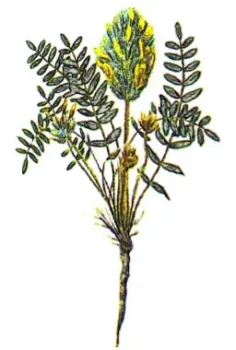
Astragalus dasyanthus: The Mystery Milkvetch Worth Knowing About
If you’ve stumbled across the name Astragalus dasyanthus in your plant research, you’re probably wondering what exactly this species is and whether it belongs in your garden. Well, you’re not alone in your curiosity – this particular member of the Astragalus genus (commonly known as milkvetches) is something of an enigma in the gardening world.
What We Know About This Elusive Plant
Astragalus dasyanthus belongs to the legume family, making it a relative of beans, peas, and other nitrogen-fixing plants. The genus Astragalus is enormous, containing hundreds of species that are collectively called milkvetches or locoweed. These plants are typically known for their ability to improve soil by fixing nitrogen through their root nodules – a pretty neat garden superpower!
However, here’s where things get interesting (and a bit frustrating): specific information about Astragalus dasyanthus is remarkably scarce in horticultural literature and botanical databases.
The Information Gap Challenge
Unfortunately, we don’t have reliable information about:
- Common names for this species
- Native geographical distribution
- Growing conditions and care requirements
- USDA hardiness zones
- Aesthetic characteristics
- Wildlife and pollinator benefits
This lack of information could mean several things: the species might be extremely rare, poorly documented, or possibly even a taxonomic name that’s no longer widely recognized in current botanical classification.
What This Means for Gardeners
If you’re considering adding Astragalus dasyanthus to your garden, you’ll face some unique challenges. Without knowing its native range, growing requirements, or even its appearance, it’s nearly impossible to provide proper care or determine if it’s suitable for your landscape.
Here’s what we’d recommend:
- If you’ve encountered this plant name through a seed supplier or nursery, ask for detailed growing information and verification of the taxonomic name
- Consider whether other well-documented Astragalus species might meet your gardening needs instead
- If you’re interested in nitrogen-fixing legumes for your garden, explore better-known native alternatives in your region
Better-Documented Alternatives
Since reliable information about Astragalus dasyanthus is so limited, you might want to consider other milkvetch species that are better understood and documented. Many Astragalus species are valuable additions to native plant gardens, offering beautiful flowers, wildlife benefits, and soil improvement qualities.
Before choosing any Astragalus species, research which ones are native to your specific region, as this large genus has species adapted to many different climates and soil conditions across North America.
The Bottom Line
While Astragalus dasyanthus remains a botanical mystery in terms of cultivation, this doesn’t mean it’s not a fascinating plant. It simply means that more research and documentation are needed before we can confidently recommend it for home gardens.
If you’re determined to grow this particular species, proceed with caution and be prepared for some trial and error. And if you do manage to cultivate it successfully, consider documenting your experience – you might be contributing valuable information to the gardening community!
Sometimes the most rewarding garden adventures come from the plants that challenge us the most. Just make sure you’re prepared for the mystery that comes with Astragalus dasyanthus.