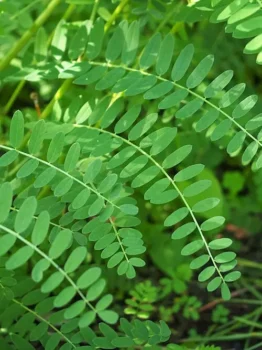
Astragalus galegiformis: A Mystery Plant Worth Understanding
If you’ve stumbled upon the name Astragalus galegiformis in your gardening research, you’re likely scratching your head – and for good reason! This particular plant name presents quite the botanical puzzle, as reliable information about this specific species is surprisingly scarce in horticultural and scientific literature.
The Challenge with Astragalus galegiformis
Here’s the thing about Astragalus galegiformis: while the name exists in some plant databases, detailed information about its characteristics, growing requirements, and garden potential is virtually non-existent. This could mean several things – the name might be outdated, incorrectly applied, or refer to an extremely rare species with minimal documentation.
Understanding the Astragalus Family
What we do know is that Astragalus is a massive genus in the legume family, containing over 3,000 species worldwide. These plants, commonly known as milkvetches, are typically:
- Herbaceous perennials or small shrubs
- Nitrogen-fixing plants that improve soil health
- Often adapted to arid or semi-arid conditions
- Important food sources for various wildlife species
Geographic Distribution Mystery
Unfortunately, the specific native range and distribution of Astragalus galegiformis remains unclear due to limited documentation. Many Astragalus species are found in western North America, Central Asia, and other temperate regions around the world.
What This Means for Gardeners
If you’re considering this plant for your garden, here’s our honest advice: proceed with extreme caution. The lack of available information makes it nearly impossible to provide guidance on:
- Appropriate growing conditions
- Hardiness zones
- Invasive potential
- Care requirements
- Wildlife benefits
Better Alternatives to Consider
Instead of pursuing this mysterious species, consider these well-documented native Astragalus options that offer proven garden value:
- Astragalus canadensis (Canada Milkvetch) – A reliable native with cream-colored flowers
- Astragalus crassicarpus (Ground Plum) – Low-growing with inflated seed pods
- Astragalus flexuosus (Flexible Milkvetch) – Drought-tolerant with purple flowers
The Bottom Line
While botanical mysteries like Astragalus galegiformis can be intriguing, successful gardening relies on choosing plants with well-documented characteristics and growing requirements. If you’re set on exploring unusual Astragalus species, we recommend consulting with local botanical gardens, native plant societies, or university extension services who might have more specialized knowledge.
Sometimes the most responsible approach is admitting when we don’t know enough about a plant to recommend it. In this case, that’s exactly where we find ourselves with Astragalus galegiformis!